To provide high-quality Pump for global customers.


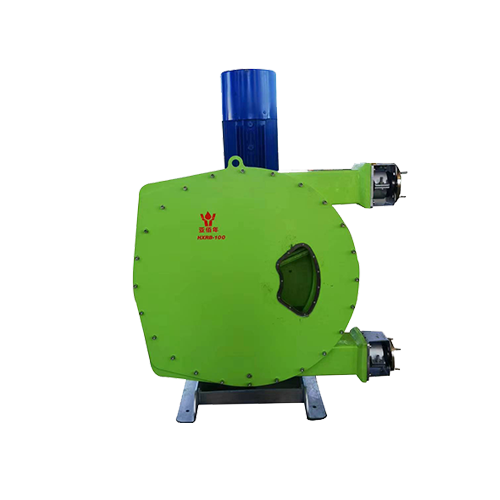
Understanding Rotary Lobe Pumps for Efficient Wastewater Sludge Management
Feb 26,2026
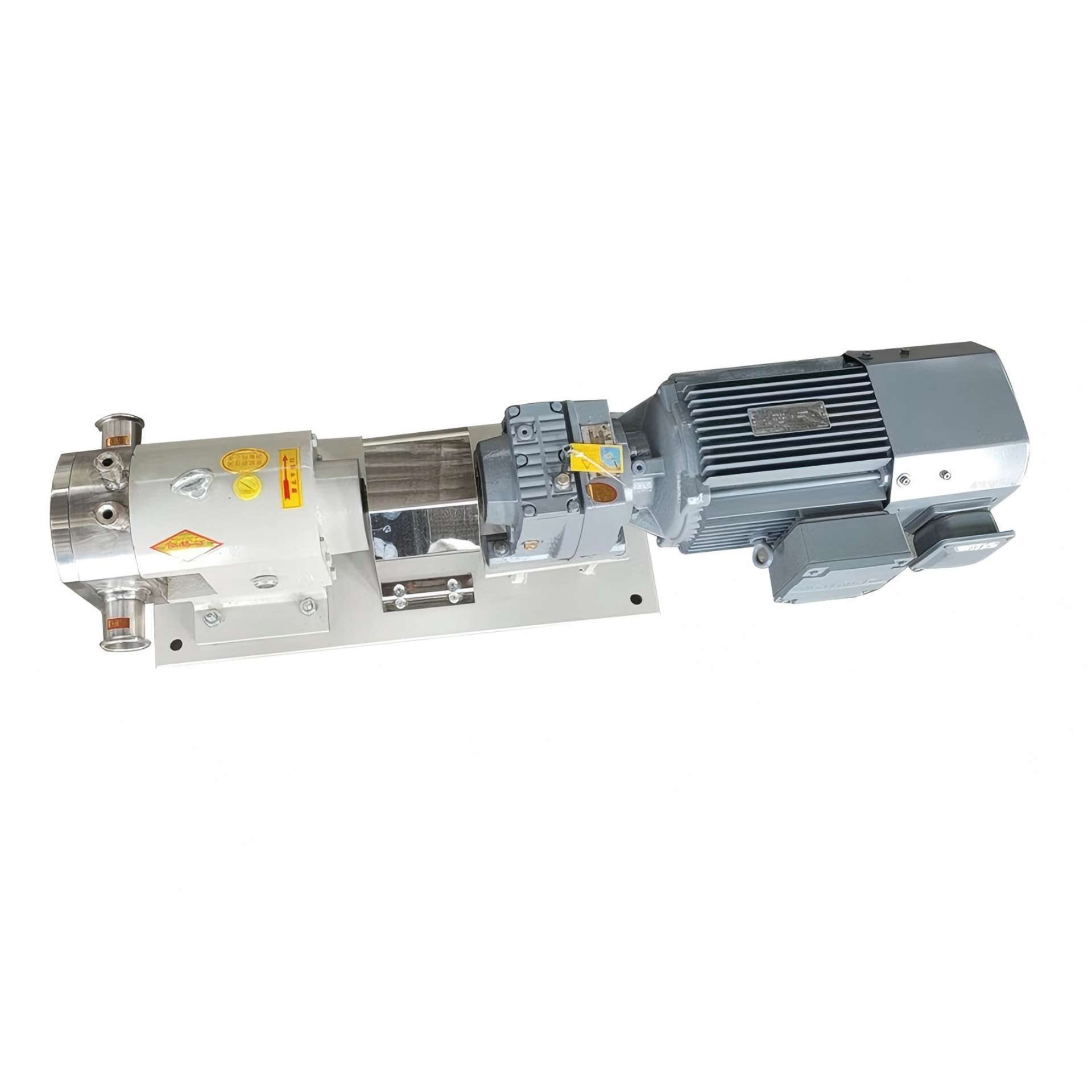
Rotary lobe pumps are crucial components in the industrial sector, especially for applications involving wastewater sludge management. These positive displacement pumps operate using a pair of lobes that rotate within a casing, thereby creating a suction effect that draws in the sludge and subsequently displaces it out of the pump. This mechanism allows for the effective transportation of viscous and abrasive materials, making rotary lobe pumps particularly suitable for challenging applications found in wastewater treatment facilities.
One of the primary advantages of rotary lobe pumps for wastewater sludge is their ability to handle high solid content without compromising the flow rate. The unique design of the lobes ensures minimal shear, which is essential for maintaining the integrity of the sludge during transfer. As a result, rotary lobe pumps help prevent the breakdown of biological solids, preserving the quality of the sludge for further processing or disposal.
In addition, rotary lobe pumps are known for their self-priming capability and versatility. They can efficiently handle varying sludge consistencies, ranging from liquid-like to highly viscous materials. This adaptability is vital in wastewater treatment environments where the composition of sludge can change due to different influents entering the system. The robust construction of rotary lobe pumps allows them to endure the wear and tear associated with abrasive materials, ensuring a longer service life and reduced maintenance costs.
Another significant benefit of using rotary lobe pumps in wastewater sludge applications is their ability to maintain a steady flow rate, regardless of the viscosity of the pumped material. This feature is particularly important for processes that require precise dosage or consistent flow, such as chemical addition or blending operations. Furthermore, the sanitary design of many rotary lobe pumps makes them suitable for various applications within the wastewater treatment sector, ensuring compliance with regulatory standards.
From an operational standpoint, integrating rotary lobe pumps into wastewater sludge systems can lead to increased efficiency and reduced energy consumption. Their straightforward design enables easier maintenance and quicker part replacements, minimizing downtime and enhancing overall productivity. Additionally, the ability to operate at lower RPMs while maintaining high flow rates contributes to energy savings, making rotary lobe pumps a cost-effective choice for industrial applications.
In conclusion, rotary lobe pumps play an essential role in managing wastewater sludge effectively. Their versatility, efficiency, and reliability make them an ideal solution for various sludge handling tasks within the industrial sector. Understanding the benefits and operational principles of these pumps enables professionals to make informed decisions that can enhance their wastewater treatment processes.
One of the primary advantages of rotary lobe pumps for wastewater sludge is their ability to handle high solid content without compromising the flow rate. The unique design of the lobes ensures minimal shear, which is essential for maintaining the integrity of the sludge during transfer. As a result, rotary lobe pumps help prevent the breakdown of biological solids, preserving the quality of the sludge for further processing or disposal.
In addition, rotary lobe pumps are known for their self-priming capability and versatility. They can efficiently handle varying sludge consistencies, ranging from liquid-like to highly viscous materials. This adaptability is vital in wastewater treatment environments where the composition of sludge can change due to different influents entering the system. The robust construction of rotary lobe pumps allows them to endure the wear and tear associated with abrasive materials, ensuring a longer service life and reduced maintenance costs.
Another significant benefit of using rotary lobe pumps in wastewater sludge applications is their ability to maintain a steady flow rate, regardless of the viscosity of the pumped material. This feature is particularly important for processes that require precise dosage or consistent flow, such as chemical addition or blending operations. Furthermore, the sanitary design of many rotary lobe pumps makes them suitable for various applications within the wastewater treatment sector, ensuring compliance with regulatory standards.
From an operational standpoint, integrating rotary lobe pumps into wastewater sludge systems can lead to increased efficiency and reduced energy consumption. Their straightforward design enables easier maintenance and quicker part replacements, minimizing downtime and enhancing overall productivity. Additionally, the ability to operate at lower RPMs while maintaining high flow rates contributes to energy savings, making rotary lobe pumps a cost-effective choice for industrial applications.
In conclusion, rotary lobe pumps play an essential role in managing wastewater sludge effectively. Their versatility, efficiency, and reliability make them an ideal solution for various sludge handling tasks within the industrial sector. Understanding the benefits and operational principles of these pumps enables professionals to make informed decisions that can enhance their wastewater treatment processes.

Contact Us
E-mail :
sales@yaquanpump.com
service@yaquanpump.com
Phone/WhatsApp:
+44 7301702546
+63 9452052801
Address:
Room B208, Building 2, North Hongqiao Songri Center, No.215 Gaochao Road, Jiading District, Shanghai

Whatsapp: +63 9452052801
Email: service@yaquanpump.com
Room B208, Building 2, North Hongqiao Songri Center, No.215 Gaochao Road, Jiading District, Shanghai


REQUEST QUOTE