To provide high-quality Pump for global customers.


Why Rotary Lobe Pumps are Essential for Molasses and Syrup Manufacturers
May 13,2026
Why Rotary Lobe Pumps are Essential for Molasses and Syrup Manufacturers
Table of Contents
1. Introduction to Rotary Lobe Pumps
2. Understanding Molasses and Syrup Production
3. The Unique Properties of Rotary Lobe Pumps
3.1 How Rotary Lobe Pumps Operate
3.2 Advantages of Using Rotary Lobe Pumps
4. Applications in Molasses and Syrup Manufacturing
4.1 Pumping Viscous Liquids
4.2 Ensuring Consistency in Production
5. Key Benefits of Rotary Lobe Pumps for Manufacturers
5.1 Enhanced Efficiency and Productivity
5.2 Maintenance and Reliability
6. Choosing the Right Rotary Lobe Pump
6.1 Factors to Consider
7. Frequently Asked Questions
8. Conclusion
1. Introduction to Rotary Lobe Pumps
In the food processing industry, particularly in the production of molasses and syrup, the choice of pumping equipment is critical. **Rotary lobe pumps** have emerged as a preferred solution due to their unique design and capabilities. Understanding why these pumps are essential requires a deep dive into their functionality, advantages, and specific applications within the food manufacturing sector.
2. Understanding Molasses and Syrup Production
Molasses and syrup are viscous liquids derived from the processing of sugarcane, sugar beet, or other sweeteners. The production process involves extracting juice, boiling it down, and concentrating it into a thick syrup or molasses. This process demands equipment that can handle high viscosity, ensure product integrity, and maintain quality throughout production.
3. The Unique Properties of Rotary Lobe Pumps
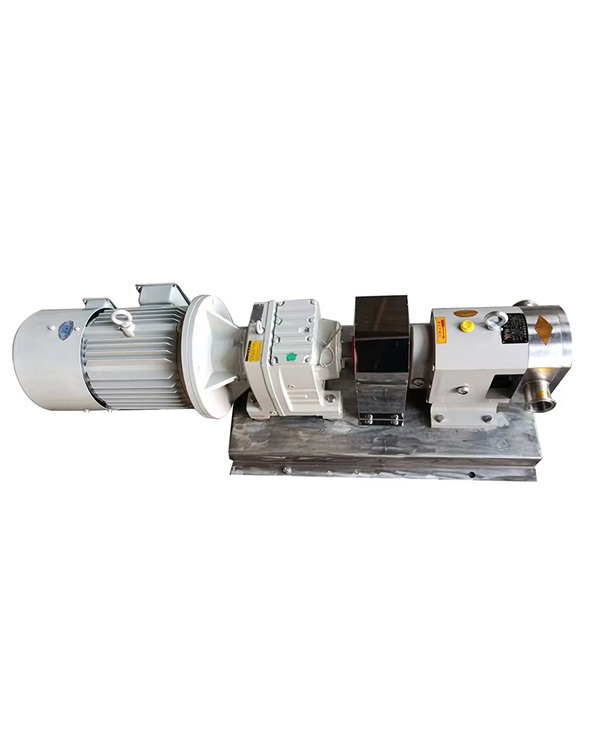
Rotary lobe pumps are designed to handle a variety of fluids, especially those with a higher viscosity. They operate through two or more lobes that rotate in a synchronous manner, creating a cavity that moves liquid through the pump. This mechanism provides several advantages, making them ideal for molasses and syrup applications.
3.1 How Rotary Lobe Pumps Operate
The operation of a rotary lobe pump is characterized by the interaction of lobes that create suction and discharge cycles. As the lobes rotate, they trap liquid and move it from the inlet to the outlet without causing turbulence. This gentle handling is essential for sensitive products like **molasses** and **syrup**, as it minimizes shear and preserves the product's quality.
3.2 Advantages of Using Rotary Lobe Pumps
- **Gentle Handling of Viscous Fluids**: The design allows for low shear, preserving the integrity of the product.
- **Self-Priming Ability**: Rotary lobe pumps can efficiently draw fluids, even at varying viscosities.
- **Versatility**: They can handle a wide range of products, from thin liquids to highly viscous materials.
- **Ease of Maintenance**: With fewer parts in contact with the fluid, maintenance can be performed quickly and easily, minimizing downtime.
4. Applications in Molasses and Syrup Manufacturing
Rotary lobe pumps are widely used in various stages of molasses and syrup manufacturing, ensuring seamless operation and optimal product quality.
4.1 Pumping Viscous Liquids
One of the primary applications of rotary lobe pumps is in the transfer of viscous liquids. Whether it’s moving thick molasses from storage tanks or transferring syrup during the bottling process, these pumps excel in maintaining flow without causing damage to the product.
4.2 Ensuring Consistency in Production
Consistency is paramount in syrup production. Rotary lobe pumps provide a reliable flow rate, ensuring that the right amount of product is delivered at each stage of processing. This consistency helps manufacturers maintain product standards, meet regulatory requirements, and satisfy consumer expectations.
5. Key Benefits of Rotary Lobe Pumps for Manufacturers
Investing in rotary lobe pumps comes with significant benefits that can enhance production efficiency and product quality.
5.1 Enhanced Efficiency and Productivity
Rotary lobe pumps are known for their efficiency in handling viscous fluids. Their ability to maintain a steady flow rate reduces the time spent on production, allowing manufacturers to increase output without sacrificing quality.
5.2 Maintenance and Reliability
With a straightforward design, rotary lobe pumps require less maintenance compared to other pump types. Their reliability reduces the likelihood of breakdowns, ensuring continuous operation and minimizing disruptions in the production line.
6. Choosing the Right Rotary Lobe Pump
Selecting the appropriate rotary lobe pump involves understanding your specific operational needs. Here are essential factors to consider:
6.1 Factors to Consider
- **Fluid Characteristics**: Assess the viscosity, temperature, and chemical properties of the liquids being pumped.
- **Flow Rate Requirements**: Determine the required flow rate to ensure that the pump can meet production demands.
- **Material Construction**: Choose materials that are compatible with the fluids to prevent contamination and ensure durability.
- **Size and Footprint**: Evaluate the space available for installation and select a pump that fits within those constraints.
7. Frequently Asked Questions
**Q1: What types of liquids can rotary lobe pumps handle?**
Rotary lobe pumps are versatile and can manage a wide variety of liquids, including viscous fluids like molasses, syrup, and even slurries.
**Q2: How do rotary lobe pumps compare to other pump types?**
Compared to centrifugal pumps, rotary lobe pumps are more effective in transferring viscous fluids and provide a gentler handling of products, making them suitable for sensitive applications.
**Q3: What maintenance is required for rotary lobe pumps?**
Regular inspection, cleaning, and lubrication of moving parts are essential to ensure optimal performance. The design of rotary lobe pumps allows for easy access to components for maintenance.
**Q4: Can rotary lobe pumps be used in other industries?**
Yes, rotary lobe pumps are widely used across various industries, including pharmaceuticals, cosmetics, and wastewater treatment, due to their versatility and efficiency.
**Q5: How do I know if a rotary lobe pump is suitable for my application?**
Assess your specific requirements regarding fluid types, flow rates, and operational conditions. Consulting with a pump specialist can help determine the best fit for your needs.
8. Conclusion
In the competitive landscape of molasses and syrup manufacturing, the importance of efficient and reliable pumping solutions cannot be overstated. **Rotary lobe pumps** stand out as an essential tool for manufacturers seeking to optimize their production processes. Their ability to handle viscous liquids delicately, maintain consistent flow rates, and reduce maintenance downtime makes them a valuable asset. By understanding the unique advantages and applications of rotary lobe pumps, manufacturers can enhance their operational efficiency, meet regulatory standards, and ultimately deliver high-quality products to the market. Embracing this technology not only boosts productivity but also secures a competitive edge in the industry.

Contact Us
E-mail :
sales@yaquanpump.com
service@yaquanpump.com
Phone/WhatsApp:
+44 7301702546
+63 9452052801
Address:
Room B208, Building 2, North Hongqiao Songri Center, No.215 Gaochao Road, Jiading District, Shanghai

Whatsapp: +63 9452052801
Email: service@yaquanpump.com
Room B208, Building 2, North Hongqiao Songri Center, No.215 Gaochao Road, Jiading District, Shanghai


REQUEST QUOTE