To provide high-quality Pump for global customers.


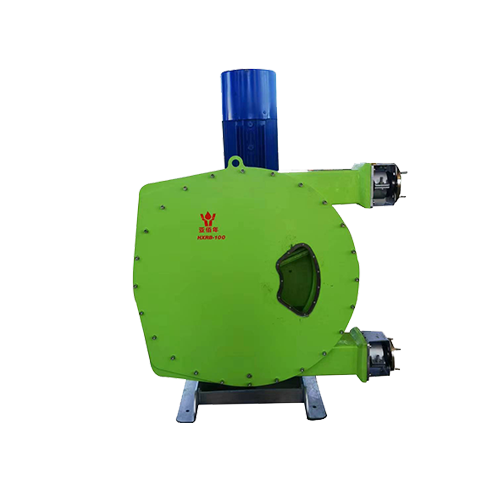
How to Select the Best Rubber Lobe Pump for Your Wastewater Project
Sep 02,2026
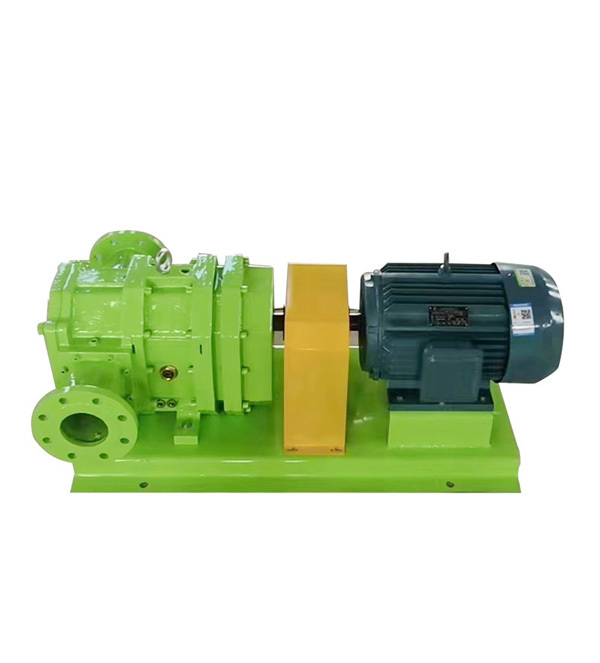
How to Select the Best Rubber Lobe Pump for Your Wastewater Project
When it comes to managing wastewater, selecting the right equipment can significantly impact the efficiency and cost-effectiveness of your operations. One of the most critical components in wastewater treatment is the pump, particularly the rubber lobe pump. This versatile pump type offers unique advantages that can enhance your wastewater project. In this article, we'll provide a detailed guide on how to select the best rubber lobe pump for your specific needs, ensuring optimum performance and longevity.
Understanding Rubber Lobe Pumps
Rubber lobe pumps are positive displacement pumps that utilize rotating lobes to move fluids through the system. They are particularly ideal for handling viscous fluids, slurries, and materials containing solids, making them a popular choice in wastewater applications. The unique design of rubber lobe pumps provides several benefits, including gentle pumping action, low shear, and the ability to handle a wide range of flow rates.
Key Benefits of Rubber Lobe Pumps
- Versatile Fluid Handling: These pumps can manage both low and high-viscosity fluids, which is essential in wastewater treatment processes.
- Minimal Shear Stress: The gentle pumping action ensures that the characteristics of sensitive materials are maintained.
- Ease of Maintenance: Rubber lobe pumps are generally easier to maintain and service, reducing downtime and operational costs.
- Durability: The rubber components give these pumps enhanced resistance to wear and tear, extending their lifespan in challenging environments.
Factors to Consider When Selecting a Rubber Lobe Pump
Choosing the right rubber lobe pump for your wastewater project involves several factors. Understanding these aspects will help you make a well-informed decision that aligns with your project requirements.
1. Flow Rate Requirements
Determining the necessary flow rate is critical in selecting an appropriate rubber lobe pump. Flow rates are typically measured in gallons per minute (GPM) or liters per minute (LPM). Evaluate the maximum flow rate your wastewater project will demand and choose a pump that can accommodate it efficiently.
2. Viscosity of the Fluid
The viscosity of the fluids being pumped is another essential consideration. Rubber lobe pumps excel at handling various viscosities, but it’s important to choose a pump specifically designed to meet the viscosity requirements of your wastewater. Consult product specifications to ensure compatibility.
3. Solids Content
Many wastewater applications involve slurries or fluids with solid content. Assess the size and concentration of solids in your wastewater to ensure the pump can handle them without clogging or damaging the system.
4. Pressure Requirements
Understanding the pressure requirements of your system is crucial. Different pumps can handle varying pressure levels, so it's vital to select one that meets or exceeds your project’s pressure needs. This ensures efficient fluid transfer without causing strain on the pump.
5. Material Compatibility
Rubber lobe pumps come with various materials that can affect their performance and longevity. Consider the chemical compatibility of the pump materials with the wastewater you plan to process. Choosing a pump with suitable materials can prevent corrosion and enhance durability.
6. Operational Temperature
Every wastewater project operates under certain temperature conditions. Confirm that the chosen rubber lobe pump can withstand the temperature range of your application. This ensures optimal performance without compromising the pump’s integrity.
Installation and Configuration Considerations
After selecting the appropriate rubber lobe pump, proper installation and configuration are vital for ensuring optimal performance. Here are some key aspects to keep in mind during this phase.
1. Proper Alignment
Ensure that the pump is installed correctly and aligned with the piping system. Misalignment can lead to increased wear, vibration, and potential failure of the pump.
2. Pipe Sizing
Choosing the right pipe size is critical to maintaining efficient flow rates and preventing excessive pressure drops. Consult with a professional to determine the best pipe diameter for your pump and system requirements.
3. Ventilation and Accessibility
Provide adequate ventilation around the pump to prevent overheating and ensure easy access for maintenance. Proper accessibility can greatly reduce downtime during service operations.
Maintenance Best Practices for Rubber Lobe Pumps
Regular maintenance is essential to extend the lifespan of rubber lobe pumps and ensure their efficiency. Here are some best practices to follow.
1. Routine Inspections
Conduct routine inspections to detect any signs of wear or damage. Look for leaks, unusual noises, or vibrations that may indicate a problem.
2. Lubrication
Keep the pump adequately lubricated according to manufacturer specifications. Proper lubrication reduces friction and wear on moving parts, enhancing overall performance.
3. Cleaning and Flushing
Regularly clean and flush the pump to remove any debris or buildup that could impede performance. This is especially important in wastewater applications where solids are present.
4. Replace Worn Components
Timely replacement of worn components, such as lobes and seals, is vital to maintaining pump efficiency. Consult the manufacturer’s guidelines for recommended replacement intervals.
Cost Considerations When Choosing a Rubber Lobe Pump
Cost is always a consideration when selecting equipment for your wastewater project. However, it’s essential to view the initial purchase price in the context of long-term value.
1. Upfront Costs vs. Long-Term Savings
While cheaper pumps may appear attractive initially, they can lead to higher maintenance costs and reduced efficiency over time. Investing in a high-quality rubber lobe pump can result in significant long-term savings.
2. Energy Efficiency
Consider the energy efficiency of the pump. More efficient pumps consume less energy, resulting in lower operational costs and reduced environmental impact.
3. Availability of Parts and Service
Ensure that replacement parts and service support are readily available for the pump you choose. This can significantly impact maintenance costs and downtimes.
Conclusion
Selecting the right rubber lobe pump for your wastewater project is a critical decision that can influence the success of your operations. By thoroughly evaluating factors such as flow rates, viscosity, and material compatibility, you can make an informed choice that meets your specific needs. Additionally, focusing on proper installation, routine maintenance, and considering long-term costs will further enhance your pump's performance and longevity. Implement these guidelines, and you will be well on your way to optimizing your wastewater management system with the best rubber lobe pump.
Frequently Asked Questions (FAQs)
1. What is the primary function of a rubber lobe pump in wastewater treatment?
A rubber lobe pump is designed to transfer viscous fluids and slurries, making it ideal for moving wastewater containing solids and other challenging materials.
2. How do I determine the right flow rate for my application?
Evaluate your project requirements and calculate the maximum flow rates needed during peak operations. This will guide you in choosing a pump that meets your needs.
3. Can rubber lobe pumps handle abrasive materials?
While rubber lobe pumps can handle some solids, abrasive materials may reduce the lifespan of the pump. Consider a pump specifically designed for abrasive applications if necessary.
4. What maintenance is required for rubber lobe pumps?
Regular inspections, lubrication, cleaning, and timely replacement of worn components are essential for maintaining the efficiency and longevity of rubber lobe pumps.
5. How can I reduce operational costs associated with rubber lobe pumps?
Investing in energy-efficient pumps, conducting regular maintenance, and choosing durable materials can help reduce overall operational costs.

Contact Us
E-mail :
sales@yaquanpump.com
service@yaquanpump.com
Phone/WhatsApp:
+44 7301702546
+63 9452052801
Address:
Room B208, Building 2, North Hongqiao Songri Center, No.215 Gaochao Road, Jiading District, Shanghai

Whatsapp: +63 9452052801
Email: service@yaquanpump.com
Room B208, Building 2, North Hongqiao Songri Center, No.215 Gaochao Road, Jiading District, Shanghai


REQUEST QUOTE