To provide high-quality Pump for global customers.


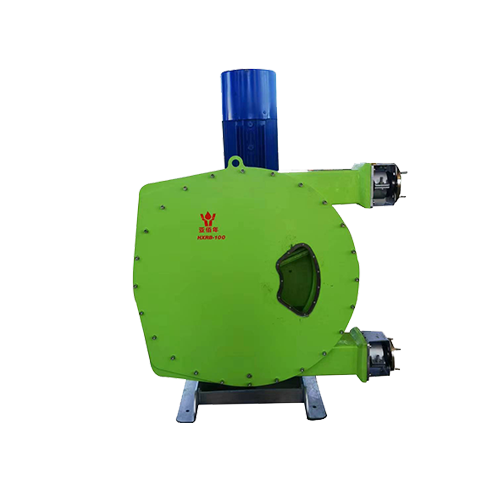
The Importance of Material Quality in Rubber Lobe Pumps for Wastewater Management
Oct 12,2026
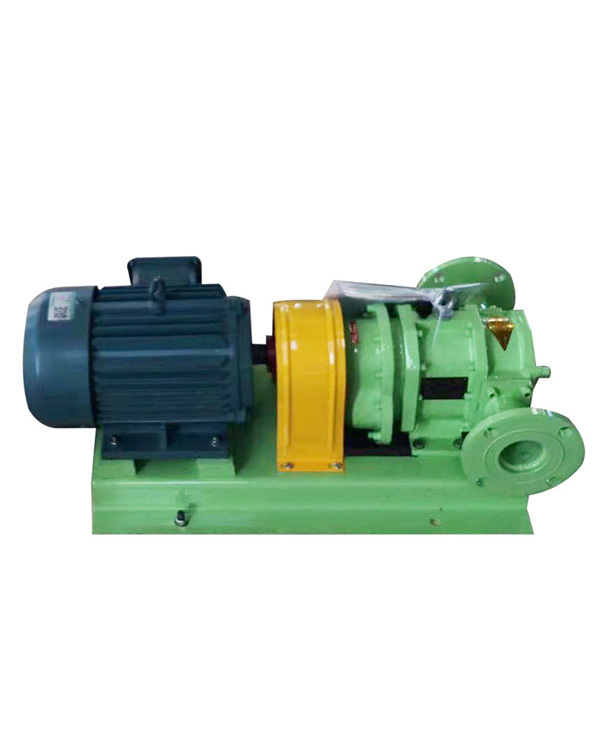
The Importance of Material Quality in Rubber Lobe Pumps for Wastewater Management
Table of Contents
- 1. Introduction
- 2. Understanding Rubber Lobe Pumps
- 3. Material Quality and Its Impact on Performance
- 4. Key Materials Used in Rubber Lobe Pumps
- 5. Benefits of High-Quality Materials in Wastewater Pumps
- 6. Common Issues Arising from Poor Material Quality
- 7. Maintenance and Longevity of Rubber Lobe Pumps
- 8. Choosing the Right Rubber Lobe Pump
- 9. Frequently Asked Questions
- 10. Conclusion
1. Introduction
In the realm of wastewater management, the efficiency and reliability of pump systems are paramount. Among various types of pumps, **rubber lobe pumps** stand out due to their versatile applications and effectiveness in handling viscous fluids. However, the performance of these pumps is heavily influenced by the **quality of materials** used in their construction. This article aims to delve deep into the significance of material quality in rubber lobe pumps, outlining how it affects their operation, maintenance, and overall lifespan.
2. Understanding Rubber Lobe Pumps
Rubber lobe pumps are a type of positive displacement pump that utilizes rotating lobes to transport fluids. They are particularly effective in moving **slurries, viscous fluids, and wastewater**. The design of these pumps allows for gentle handling of fluids, minimizing shear and maintaining the integrity of the substances being pumped.
The **basic components** of rubber lobe pumps include:
- **Lobes:** Rotating elements that create the pumping action.
- **Housing:** The outer shell that contains the lobes and the fluid being pumped.
- **Seals:** Prevent leakage and ensure that the pump operates efficiently.
- **Shafts and Bearings:** Support the movement of lobes and provide stability.
Understanding these components is crucial in appreciating how material quality can enhance or hinder the pump's functionality.
3. Material Quality and Its Impact on Performance
The performance of rubber lobe pumps is intrinsically linked to the materials used in their construction. High-quality materials offer several advantages, including:
- **Resistance to Wear and Tear:** Good materials can withstand abrasive substances, leading to a longer service life.
- **Chemical Compatibility:** The right materials can resist corrosion and degradation when handling various chemicals found in wastewater.
- **Temperature Tolerance:** High-quality materials can endure temperature fluctuations, ensuring consistent performance.
In contrast, low-quality materials can lead to premature failure, increased maintenance costs, and operational inefficiencies. Hence, selecting the appropriate materials is not merely a matter of preference but an essential decision for effective wastewater management.
4. Key Materials Used in Rubber Lobe Pumps
Several materials are commonly used in the construction of rubber lobe pumps, each playing a vital role in their effectiveness. These materials include:
4.1 Rubber Compounds
The type of rubber used in the lobes significantly impacts their durability and performance. **Natural rubber** is favored for its elasticity and resilience, while **synthetic rubbers** (like nitrile or EPDM) are selected for their chemical resistance and temperature stability.
4.2 Metal Components
The housing, shafts, and bearings are often made from high-grade metals such as stainless steel or cast iron. These materials provide structural integrity and resistance to corrosion, ensuring that the pump can operate in harsh environments.
4.3 Sealing Materials
Seals are crucial for preventing leakage and maintaining efficiency. High-quality seals made from materials like fluorocarbon or silicone ensure a tight fit and resistance to wear.
4.4 Coatings and Linings
To enhance the lifespan of rubber lobe pumps, coatings and linings can be applied. These may include **polyurethane** or **ceramic coatings**, which provide additional protection against abrasion and chemical attack.
5. Benefits of High-Quality Materials in Wastewater Pumps
Investing in rubber lobe pumps made from high-quality materials comes with numerous benefits:
5.1 Improved Efficiency
Pumps constructed from superior materials operate more efficiently, minimizing energy consumption and reducing operational costs.
5.2 Enhanced Durability
Quality materials lead to increased resistance against wear, resulting in longer pump life and reduced replacement frequency.
5.3 Lower Maintenance Costs
With fewer breakdowns and repairs needed, the long-term maintenance costs of high-quality pumps are significantly lower compared to those made from inferior materials.
5.4 Greater Reliability
High-quality materials ensure consistent performance, providing reliable operation in critical wastewater applications.
6. Common Issues Arising from Poor Material Quality
Using low-quality materials in rubber lobe pumps can lead to several problems, including:
6.1 Frequent Breakdowns
Subpar materials are more susceptible to wear and damage, resulting in unexpected pump failures.
6.2 Reduced Pump Performance
Inefficient operation due to material fatigue can lead to decreased flow rates and increased energy consumption.
6.3 Increased Maintenance and Repair Costs
The need for more frequent repairs and replacements drives up maintenance costs, undermining the overall cost-effectiveness of wastewater management systems.
6.4 Safety Hazards
Leaks and failures can pose safety risks to operators and the environment, highlighting the importance of high-quality materials in pump construction.
7. Maintenance and Longevity of Rubber Lobe Pumps
To ensure the longevity of rubber lobe pumps, proper maintenance practices must be followed. Regular inspections and timely replacements of worn parts can greatly enhance the lifespan of these pumps.
7.1 Regular Inspections
Routine assessments can help identify wear and tear before they lead to catastrophic failures. Focus on checking seals, lobes, and metal components.
7.2 Correct Lubrication
Proper lubrication of bearings and shafts can prevent unnecessary friction and wear, extending the service life of the pump.
7.3 Cleaning Protocols
Implementing effective cleaning protocols can prevent the build-up of debris and abrasive materials that can harm pump components.
8. Choosing the Right Rubber Lobe Pump
Selecting the appropriate rubber lobe pump for **wastewater applications** hinges on several factors:
8.1 Assessing Application Needs
Understand the specific requirements of your wastewater management process, including flow rates, viscosity, and chemical composition of the fluids.
8.2 Evaluating Material Quality
Research the materials used in the pump's construction, prioritizing those known for durability and resistance.
8.3 Considering Manufacturer Reputation
Opt for manufacturers with a strong reputation for quality and customer service, as this often reflects the reliability of their products.
9. Frequently Asked Questions
9.1 What are rubber lobe pumps used for?
Rubber lobe pumps are primarily used for transferring viscous fluids, slurries, and wastewater in various industrial applications.
9.2 How can I determine the quality of materials in a rubber lobe pump?
Review the specifications provided by the manufacturer, focusing on the types of rubber, metals, and seals used in the pump.
9.3 What maintenance is required for rubber lobe pumps?
Regular inspections, appropriate lubrication, and cleaning are essential to maintain the efficiency and longevity of rubber lobe pumps.
9.4 What are the signs of poor material quality in rubber lobe pumps?
Frequent breakdowns, leaks, and reduced performance are indicators that the pump may be constructed from low-quality materials.
9.5 How do I choose the right rubber lobe pump for my application?
Assess your specific needs regarding flow rates and fluid characteristics, and ensure to evaluate the material quality and manufacturer reputation.
10. Conclusion
The importance of material quality in rubber lobe pumps for wastewater management cannot be overstated. High-quality materials enhance performance, durability, and efficiency, ultimately leading to lower maintenance costs and greater reliability. As industries continue to seek effective solutions for wastewater management, prioritizing the quality of materials in pump construction will remain a key factor in achieving operational success. Investing in superior rubber lobe pumps is not just a decision; it is a commitment to excellence in wastewater management. By understanding the critical role that materials play, industries can ensure they are equipped with the best tools for the job, facilitating a cleaner and more sustainable future.

Contact Us
E-mail :
sales@yaquanpump.com
service@yaquanpump.com
Phone/WhatsApp:
+44 7301702546
+63 9452052801
Address:
Room B208, Building 2, North Hongqiao Songri Center, No.215 Gaochao Road, Jiading District, Shanghai

Whatsapp: +63 9452052801
Email: service@yaquanpump.com
Room B208, Building 2, North Hongqiao Songri Center, No.215 Gaochao Road, Jiading District, Shanghai


REQUEST QUOTE