To provide high-quality Pump for global customers.


Enhancing Your Operations: How Rotary Lobe Pumps Effectively Handle Thick Syrups
Jan 11,2026
Enhancing Your Operations: How Rotary Lobe Pumps Effectively Handle Thick Syrups
Table of Contents
- 1. Introduction to Rotary Lobe Pumps
- 2. Understanding Thick Syrups and Their Challenges
- 3. Working Mechanism of Rotary Lobe Pumps
- 4. Advantages of Using Rotary Lobe Pumps for Thick Syrups
- 5. Applications of Rotary Lobe Pumps in Various Industries
- 6. Maintenance and Care for Rotary Lobe Pumps
- 7. FAQs About Rotary Lobe Pumps and Thick Syrups
- 8. Conclusion
1. Introduction to Rotary Lobe Pumps
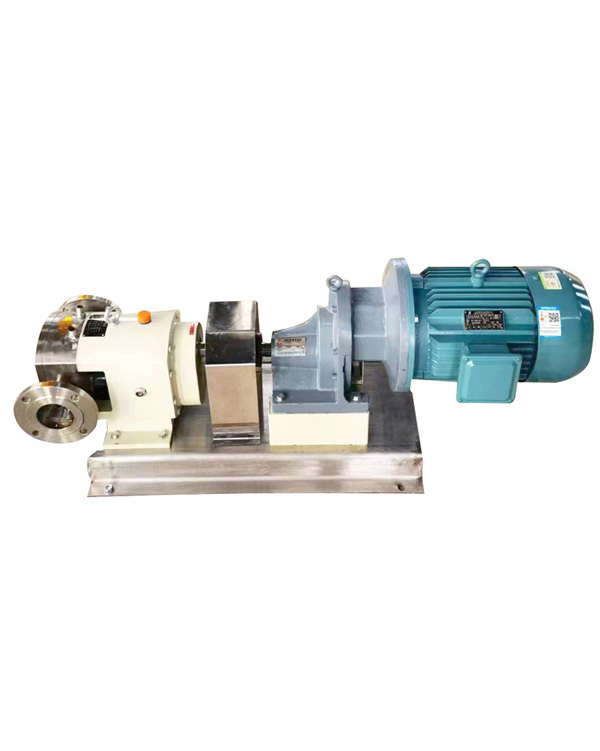
Rotary lobe pumps represent a crucial innovation in the realm of industrial equipment, particularly when it comes to handling viscous materials like thick syrups. These pumps utilize a unique design that allows for the precise transfer of various fluids without compromising their integrity. In this article, we will delve into the mechanics of rotary lobe pumps, their advantages, and their applications, providing you with the insights you need to enhance your operational efficiency.
2. Understanding Thick Syrups and Their Challenges
Thick syrups pose distinctive challenges in various industrial applications, particularly in food processing, pharmaceuticals, and cosmetics. The high viscosity of these fluids can lead to difficulties in pumping, mixing, and transferring. Understanding the properties of thick syrups—such as their shear sensitivity and temperature dependence—is vital for selecting the right pumping solution.
The Properties of Thick Syrups
Thick syrups are typically characterized by their high viscosity, often requiring specialized equipment for effective handling. Common types include glucose syrup, corn syrup, and molasses. The viscosity of these syrups can significantly change based on temperature, necessitating pumps that can accommodate such variations without losing performance.
Challenges in Pumping Thick Syrups
Handling thick syrups can lead to several challenges:
- **Cavitation:** The formation of vapor bubbles can disrupt fluid flow and damage pump components.
- **Shear Sensitivity:** Some thick syrups are sensitive to shear forces, which can alter their consistency and quality.
- **Clogging:** High-viscosity fluids are prone to clogging, which can halt operations.
3. Working Mechanism of Rotary Lobe Pumps
Rotary lobe pumps operate based on a unique mechanism that distinguishes them from other types of pumps. They utilize two or more lobes that rotate in synchronization, creating pockets that draw in and expel the fluid.
Design Features of Rotary Lobe Pumps
- **Dual Lobe Design:** The lobes are typically shaped to create a non-contacting design, minimizing wear and tear and extending the pump's lifespan.
- **Adjustable Timing:** The timing of the lobes can be adjusted to accommodate different viscosities and flow rates.
- **Sealed Enclosure:** Rotary lobe pumps are designed to be leak-proof, ensuring the integrity of the pumped fluid.
How They Work
1. **Fluid Intake:** As the lobes rotate, they create a vacuum that draws the thick syrup into the pump chamber.
2. **Transport:** The rotation of the lobes moves the fluid through the pump without significant shear, maintaining the syrup's quality.
3. **Discharge:** Finally, the fluid is expelled through the discharge port, ready for further processing or packaging.
4. Advantages of Using Rotary Lobe Pumps for Thick Syrups
Implementing rotary lobe pumps in your operations presents numerous advantages, especially when handling thick syrups.
High Efficiency and Reliability
Rotary lobe pumps are renowned for their efficiency. Their ability to handle high-viscosity fluids with minimal shear makes them ideal for thick syrups, ensuring reliable and consistent flow rates.
Versatility in Applications
These pumps are versatile and can be adapted for various applications, making them suitable for industries ranging from food and beverage to pharmaceuticals.
Reduced Maintenance Costs
Due to their robust design, rotary lobe pumps typically require less maintenance than other pump types. The non-contacting lobes help reduce wear and prolong the pump's operational life.
Sanitary Design for Food Applications
In food processing, the sanitary design of rotary lobe pumps meets stringent hygiene standards, ensuring that thick syrups are handled without contamination.
Energy Efficiency
The energy efficiency of rotary lobe pumps can lead to significant cost savings over time, making them an environmentally friendly option for thick syrup handling.
5. Applications of Rotary Lobe Pumps in Various Industries
Rotary lobe pumps find extensive applications across multiple industries, primarily due to their ability to handle viscous materials effectively.
Food and Beverage Industry
In the food and beverage sector, rotary lobe pumps are employed to handle a variety of thick syrups, including flavored syrups, molasses, and fruit purees. Their hygienic design ensures compliance with food safety regulations.
Pharmaceutical Industry
The pharmaceutical industry often requires precise handling of viscous materials such as ointments and syrups. Rotary lobe pumps provide the reliability and accuracy needed for these applications.
Cosmetics and Personal Care
For cosmetics and personal care products, rotary lobe pumps ensure the gentle handling of thick creams, lotions, and gels, maintaining product integrity during the pumping process.
Chemical Industry
In the chemical industry, these pumps are used to transfer thick slurries and emulsions, demonstrating their versatility across various fluid types.
6. Maintenance and Care for Rotary Lobe Pumps
To ensure optimal performance and longevity of rotary lobe pumps, proper maintenance is essential.
Regular Inspections
Routine inspections should be conducted to identify any potential wear or damage. This proactive approach can prevent costly downtime.
Lubrication and Seals
Regularly check and maintain the lubrication of moving parts, and inspect seals for any signs of wear to prevent leaks and ensure efficient operation.
Cleanliness and Hygiene
In food and pharmaceutical applications, maintaining cleanliness is crucial. Regularly clean the pump according to the manufacturer's guidelines to prevent contamination.
7. FAQs About Rotary Lobe Pumps and Thick Syrups
1. What types of fluids can rotary lobe pumps handle?
Rotary lobe pumps are suitable for a wide range of fluids, including thick syrups, slurries, emulsions, and shear-sensitive materials.
2. How do rotary lobe pumps differ from other pump types?
Unlike centrifugal pumps, rotary lobe pumps create a positive displacement, making them ideal for high-viscosity fluids without causing shear damage.
3. Are rotary lobe pumps easy to maintain?
Yes, rotary lobe pumps typically require less maintenance compared to other pump types, thanks to their robust design and non-contacting lobes.
4. Can rotary lobe pumps be used in food processing?
Absolutely! Rotary lobe pumps are designed to meet hygienic standards, making them suitable for food processing applications.
5. What are the energy efficiency benefits of using rotary lobe pumps?
Rotary lobe pumps are designed to operate efficiently, which can lower energy consumption and reduce operational costs in the long run.
8. Conclusion
The use of rotary lobe pumps for handling thick syrups presents a myriad of benefits for various industries, from food processing to pharmaceuticals. Their unique design and operational efficiency make them an ideal choice for managing high-viscosity fluids. By understanding their working mechanisms and applying best maintenance practices, you can enhance your operations significantly. Invest in rotary lobe pumps today to ensure smooth, reliable, and efficient handling of your thick syrup applications.

Contact Us
E-mail :
sales@yaquanpump.com
service@yaquanpump.com
Phone/WhatsApp:
+44 7301702546
+63 9452052801
Address:
Room B208, Building 2, North Hongqiao Songri Center, No.215 Gaochao Road, Jiading District, Shanghai

Whatsapp: +63 9452052801
Email: service@yaquanpump.com
Room B208, Building 2, North Hongqiao Songri Center, No.215 Gaochao Road, Jiading District, Shanghai


REQUEST QUOTE