To provide high-quality Pump for global customers.


Understanding Rotary Lobe Pumps for High-Viscosity Liquids: A Comprehensive Guide
Jan 23,2026
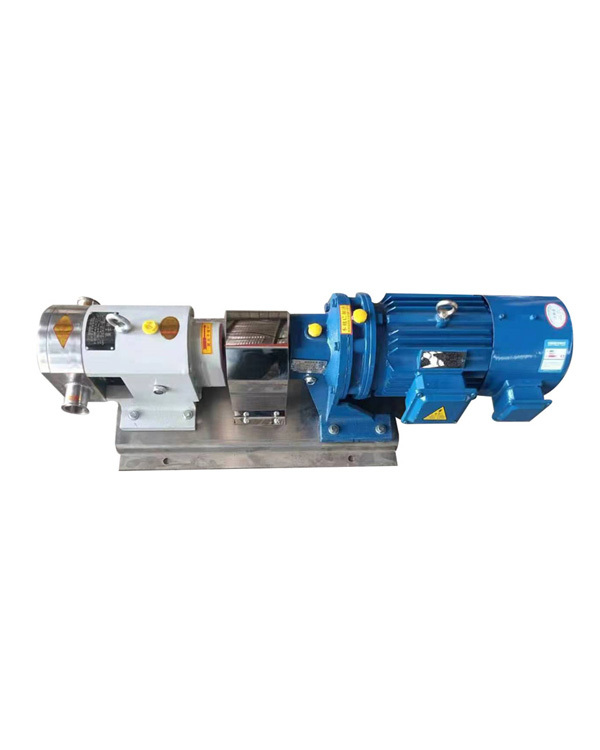
Rotary lobe pumps are an essential part of industrial fluid handling systems, particularly when it comes to transferring high-viscosity liquids. Unlike traditional pumps, rotary lobe pumps utilize a unique mechanism that allows them to handle thick and shear-sensitive fluids effectively. This makes them ideal for applications in various industries, including food and beverage, cosmetics, pharmaceuticals, and chemical processing.
The operating principle of a rotary lobe pump involves two or more lobes rotating within a casing. As the lobes turn, they create a series of expanding and contracting cavities. This action effectively draws in the liquid on the suction side and then moves it to the discharge side without causing any significant turbulence or shear. This is particularly advantageous for high-viscosity liquids, which can be sensitive to mechanical stress.
One of the significant advantages of rotary lobe pumps is their ability to maintain a consistent flow rate regardless of the viscosity of the liquid being pumped. This is crucial in industries where precise dosing and transfer of materials are essential. Additionally, these pumps offer excellent suction capabilities, allowing them to handle thick materials that might otherwise be challenging to pump.
When selecting a rotary lobe pump for high-viscosity liquids, several factors should be considered:
1. **Material Compatibility**: Since high-viscosity liquids can vary significantly in their chemical composition, it is vital to choose a pump made from materials that are compatible with the fluid being handled. This ensures longevity and prevents contamination.
2. **Flow Rate and Pressure Requirements**: Each application may have different flow rate and pressure needs. It’s essential to evaluate these parameters to ensure that the selected pump can meet operational demands.
3. **Maintenance and Serviceability**: Rotary lobe pumps are generally designed for easy maintenance. However, understanding the service requirements and frequency can help in planning and reducing downtime.
4. **Viscosity Range**: Not all rotary lobe pumps are created equal; some are specifically designed to handle higher viscosities than others. It is crucial to select a pump that can accommodate the specific viscosity range of the liquids involved in your operations.
In conclusion, rotary lobe pumps are an excellent choice for handling high-viscosity liquids due to their efficient design and operational versatility. By understanding their working principles and considering key factors during selection, industries can optimize their fluid handling processes for improved efficiency and reliability. These pumps not only enhance productivity but also ensure the integrity of the materials being processed.
The operating principle of a rotary lobe pump involves two or more lobes rotating within a casing. As the lobes turn, they create a series of expanding and contracting cavities. This action effectively draws in the liquid on the suction side and then moves it to the discharge side without causing any significant turbulence or shear. This is particularly advantageous for high-viscosity liquids, which can be sensitive to mechanical stress.
One of the significant advantages of rotary lobe pumps is their ability to maintain a consistent flow rate regardless of the viscosity of the liquid being pumped. This is crucial in industries where precise dosing and transfer of materials are essential. Additionally, these pumps offer excellent suction capabilities, allowing them to handle thick materials that might otherwise be challenging to pump.
When selecting a rotary lobe pump for high-viscosity liquids, several factors should be considered:
1. **Material Compatibility**: Since high-viscosity liquids can vary significantly in their chemical composition, it is vital to choose a pump made from materials that are compatible with the fluid being handled. This ensures longevity and prevents contamination.
2. **Flow Rate and Pressure Requirements**: Each application may have different flow rate and pressure needs. It’s essential to evaluate these parameters to ensure that the selected pump can meet operational demands.
3. **Maintenance and Serviceability**: Rotary lobe pumps are generally designed for easy maintenance. However, understanding the service requirements and frequency can help in planning and reducing downtime.
4. **Viscosity Range**: Not all rotary lobe pumps are created equal; some are specifically designed to handle higher viscosities than others. It is crucial to select a pump that can accommodate the specific viscosity range of the liquids involved in your operations.
In conclusion, rotary lobe pumps are an excellent choice for handling high-viscosity liquids due to their efficient design and operational versatility. By understanding their working principles and considering key factors during selection, industries can optimize their fluid handling processes for improved efficiency and reliability. These pumps not only enhance productivity but also ensure the integrity of the materials being processed.

Contact Us
E-mail :
sales@yaquanpump.com
service@yaquanpump.com
Phone/WhatsApp:
+44 7301702546
+63 9452052801
Address:
Room B208, Building 2, North Hongqiao Songri Center, No.215 Gaochao Road, Jiading District, Shanghai

Whatsapp: +63 9452052801
Email: service@yaquanpump.com
Room B208, Building 2, North Hongqiao Songri Center, No.215 Gaochao Road, Jiading District, Shanghai


REQUEST QUOTE