To provide high-quality Pump for global customers.


Simplifying Syrup and Molasses Handling with Rotary Lobe Pumps: The Ultimate Guide
Feb 22,2026
Simplifying Syrup and Molasses Handling with Rotary Lobe Pumps: The Ultimate Guide
Table of Contents
- 1. Introduction to Rotary Lobe Pumps
- 2. What Are Rotary Lobe Pumps?
- 3. Advantages of Using Rotary Lobe Pumps in Syrup and Molasses Handling
- 4. Applications of Rotary Lobe Pumps in Food Processing
- 5. How Rotary Lobe Pumps Work: The Mechanics Explained
- 6. Installation and Maintenance Tips for Rotary Lobe Pumps
- 7. Case Studies: Success Stories in Syrup and Molasses Handling
- 8. Frequently Asked Questions (FAQs)
- 9. Conclusion: Elevate Your Syrup and Molasses Handling
1. Introduction to Rotary Lobe Pumps
Handling viscous liquids like syrup and molasses presents unique challenges in the food processing industry. Traditional pumping methods often fall short, leading to inefficiencies and increased downtime. Fortunately, rotary lobe pumps have emerged as a reliable solution, providing a seamless and effective way to manage these sticky substances. In this guide, we will explore the intricacies of rotary lobe pumps and how they can revolutionize syrup and molasses handling.
2. What Are Rotary Lobe Pumps?
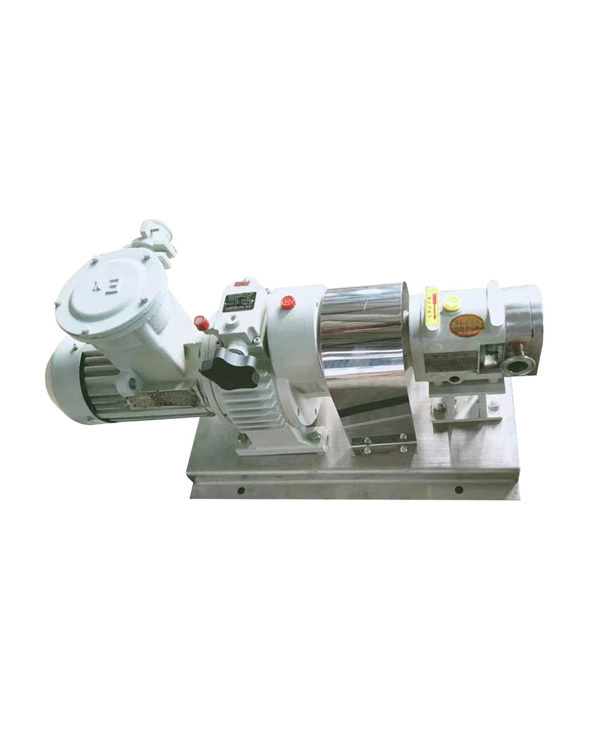
Rotary lobe pumps are positive displacement pumps that utilize rotating lobes to move fluids. These pumps feature a pair of lobes that rotate in opposite directions within a casing. As the lobes move, they create chambers that expand and contract, drawing in liquid and pushing it through the discharge port. This unique design allows rotary lobe pumps to handle a variety of viscosities while maintaining low shear, making them ideal for delicate products like syrup and molasses.
Key Components of Rotary Lobe Pumps
The main components of a rotary lobe pump include:
- **Lobes**: The rotating elements that create the vacuum to draw in liquid.
- **Casing**: The outer shell that houses the lobes and provides structural integrity.
- **Drive System**: The mechanism that powers the rotation of the lobes, typically through a motor or gearbox.
3. Advantages of Using Rotary Lobe Pumps in Syrup and Molasses Handling
The benefits of rotary lobe pumps in the handling of syrup and molasses are numerous:
Enhanced Viscosity Handling
Rotary lobe pumps excel at pumping highly viscous liquids without compromising flow rates. Their design minimizes product degradation, making them perfect for sensitive applications in the food industry.
Low Shear Rates
When handling syrup and molasses, it is crucial to maintain the integrity of the product. Rotary lobe pumps operate with low shear rates, ensuring that the product’s texture, flavor, and aroma remain intact.
Self-Priming Capability
These pumps are self-priming, which means they can handle both liquid and air efficiently. This feature is particularly beneficial in applications where the fluid level may vary.
Ease of Cleaning and Maintenance
Cleaning and maintaining rotary lobe pumps is straightforward due to their simple design. Many models feature quick-release mechanisms for easy disassembly, making sanitation processes faster and more efficient.
Energy Efficiency
Rotary lobe pumps are designed for efficiency, consuming less energy while delivering high performance. This can lead to significant cost savings over time, especially in high-volume operations.
4. Applications of Rotary Lobe Pumps in Food Processing
Rotary lobe pumps are versatile and can be applied in various sectors of food processing, including:
Syrup Production
In syrup production, rotary lobe pumps are used to transport and mix ingredients, ensuring uniformity while maintaining the quality of the product.
Molasses Handling
These pumps efficiently handle molasses, providing smooth transfer from storage tanks to processing equipment without clogging or damaging the product.
Flavoring and Sweetening Processes
When adding flavors or sweeteners to food products, rotary lobe pumps allow for precise dosing, ensuring consistency in taste and quality.
5. How Rotary Lobe Pumps Work: The Mechanics Explained
Understanding the mechanics of rotary lobe pumps is essential for optimizing their use in syrup and molasses handling:
The Pump Cycle
1. **Suction Phase**: As the lobes rotate, they create a vacuum that draws liquid into the chamber.
2. **Transfer Phase**: The lobes continue to rotate, pushing the liquid through the discharge port.
3. **Discharge Phase**: The liquid is expelled, and the cycle repeats.
Flow Rate and Pressure Considerations
Rotary lobe pumps can be adjusted for different flow rates and pressures, making them suitable for various applications. Operators can select the right settings based on the viscosity and volume of the liquid being pumped.
6. Installation and Maintenance Tips for Rotary Lobe Pumps
Proper installation and routine maintenance are critical to the performance of rotary lobe pumps:
Installation Guidelines
- Ensure proper alignment of the pump with the drive motor to prevent wear and tear.
- Use vibration dampening mounts to minimize noise and enhance stability during operation.
- Position the pump close to the source of the liquid to reduce suction lift.
Maintenance Practices
- Regularly check for wear on the lobes and casing, replacing parts as necessary.
- Maintain a clean working environment to prevent contamination of the product.
- Schedule routine inspections to ensure optimal performance and longevity.
7. Case Studies: Success Stories in Syrup and Molasses Handling
Examining real-world applications of rotary lobe pumps can illustrate their advantages in syrup and molasses handling:
Case Study 1: A Leading Syrup Manufacturer
A major syrup manufacturer implemented rotary lobe pumps to enhance their production efficiency. By replacing traditional pumps, they reduced product loss and improved their throughput by 30%. The low shear nature of the rotary lobe pumps preserved the flavor and quality of their syrups.
Case Study 2: Molasses Processing Facility
In a molasses processing facility, the installation of rotary lobe pumps significantly decreased downtime caused by clogging and maintenance issues. The self-priming feature allowed for uninterrupted production, resulting in a 25% increase in overall output.
8. Frequently Asked Questions (FAQs)
1. What types of fluids can rotary lobe pumps handle?
Rotary lobe pumps are designed to handle a wide range of fluids, including viscous liquids, slurries, and shear-sensitive products.
2. How do I select the right rotary lobe pump for my application?
Consider factors such as the viscosity of the fluid, required flow rate, and pressure needs when selecting a rotary lobe pump.
3. Are rotary lobe pumps suitable for hygienic applications?
Yes, many rotary lobe pumps are designed with hygienic standards in mind, making them ideal for food and pharmaceutical applications.
4. How often should I perform maintenance on my rotary lobe pump?
Regular maintenance should be conducted according to the manufacturer's recommendations, generally every six months or as needed based on usage.
5. What are common issues that can occur with rotary lobe pumps?
Common issues can include wear on the lobes, clogging from particulates, and improper alignment during installation.
9. Conclusion: Elevate Your Syrup and Molasses Handling
Utilizing rotary lobe pumps in syrup and molasses handling offers a multitude of benefits, from enhanced efficiency to maintaining product integrity. With their versatility, low shear rates, and ease of maintenance, rotary lobe pumps are invaluable tools in the food processing industry. By investing in this technology, businesses can streamline their operations, reduce costs, and ultimately improve product quality. Embrace the future of syrup and molasses handling by leveraging the capabilities of rotary lobe pumps—your operations will thank you.
PREVIOUS:

Contact Us
E-mail :
sales@yaquanpump.com
service@yaquanpump.com
Phone/WhatsApp:
+44 7301702546
+63 9452052801
Address:
Room B208, Building 2, North Hongqiao Songri Center, No.215 Gaochao Road, Jiading District, Shanghai

Whatsapp: +63 9452052801
Email: service@yaquanpump.com
Room B208, Building 2, North Hongqiao Songri Center, No.215 Gaochao Road, Jiading District, Shanghai


REQUEST QUOTE