To provide high-quality Pump for global customers.


Understanding Peristaltic Pumps for Abrasive Fluids: A Comprehensive Guide
Feb 18,2026
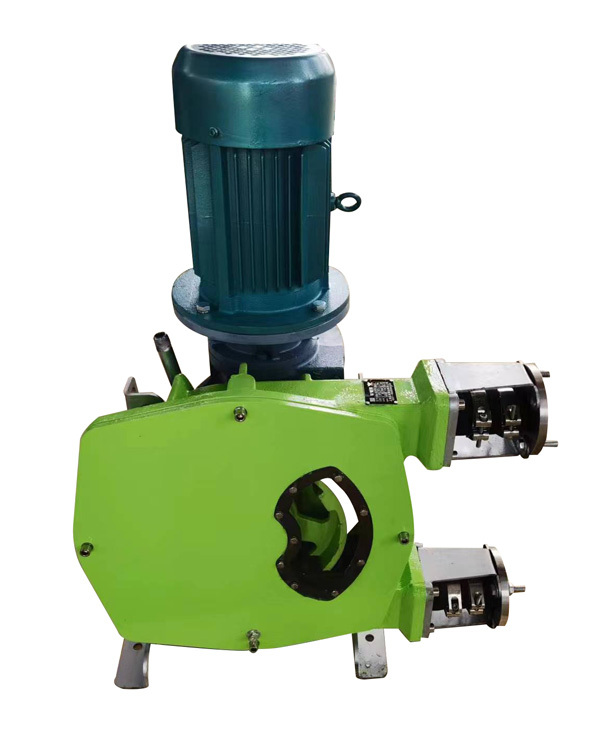
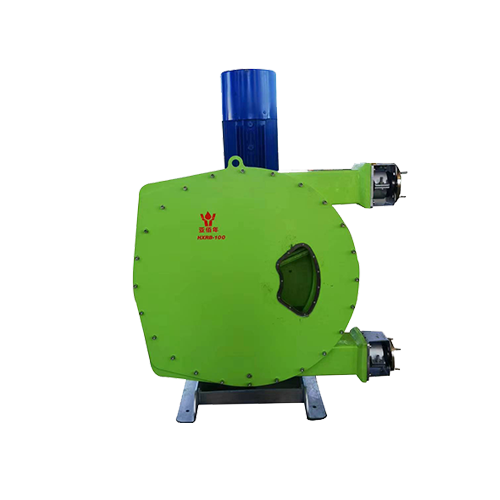
Peristaltic pumps are a unique type of positive displacement pump designed to handle a variety of fluids, including those that are abrasive in nature. These pumps work on a simple yet effective principle: they employ a series of rollers that compress a flexible tube or hose, creating a vacuum that draws fluid into the pump and then expels it in a controlled manner. This design is particularly advantageous when dealing with abrasive fluids due to several key factors.
One of the main advantages of peristaltic pumps is their ability to handle solid-laden or viscous fluids without causing damage to the pump mechanism. The fluid only comes into contact with the inner surface of the tubing, minimizing wear and tear on the pump components. This is particularly crucial when dealing with abrasive materials that could otherwise harm the pump's internals over time. Using high-quality materials for the tubing, such as reinforced rubber or other durable elastomers, can further enhance the pump's longevity and reliability.
Additionally, the ability to easily replace the tubing in a peristaltic pump makes maintenance straightforward and cost-effective. When the tubing becomes worn due to abrasion, it can be quickly swapped out without the need for extensive disassembly of the pump itself. This ensures minimal downtime and allows for continuous operation, which is vital in industrial applications where efficiency is key.
Another critical consideration when using peristaltic pumps for abrasive fluids is the selection of the right pump size and specifications. Factors such as flow rate, pressure requirements, and the specific characteristics of the abrasive fluid must be taken into account to ensure optimal performance. Moreover, understanding the viscosity and particle size of the fluid can help in choosing the correct tubing material and thickness, which directly impacts the pump's effectiveness and service life.
In applications where chemical resistance is also a concern—common with many abrasive fluids—it is crucial to select tubing materials that can withstand corrosive elements. This ensures that the pump operates effectively without compromising the integrity of the fluid being pumped.
In summary, peristaltic pumps are an excellent choice for handling abrasive fluids due to their unique design, ease of maintenance, and adaptability to various industrial requirements. By selecting the right materials and understanding the pump's operating principles, industries can ensure that they achieve optimal performance while minimizing wear and downtime. When considering a pumping solution for abrasive applications, peristaltic pumps stand out as a reliable and efficient choice.
One of the main advantages of peristaltic pumps is their ability to handle solid-laden or viscous fluids without causing damage to the pump mechanism. The fluid only comes into contact with the inner surface of the tubing, minimizing wear and tear on the pump components. This is particularly crucial when dealing with abrasive materials that could otherwise harm the pump's internals over time. Using high-quality materials for the tubing, such as reinforced rubber or other durable elastomers, can further enhance the pump's longevity and reliability.
Additionally, the ability to easily replace the tubing in a peristaltic pump makes maintenance straightforward and cost-effective. When the tubing becomes worn due to abrasion, it can be quickly swapped out without the need for extensive disassembly of the pump itself. This ensures minimal downtime and allows for continuous operation, which is vital in industrial applications where efficiency is key.
Another critical consideration when using peristaltic pumps for abrasive fluids is the selection of the right pump size and specifications. Factors such as flow rate, pressure requirements, and the specific characteristics of the abrasive fluid must be taken into account to ensure optimal performance. Moreover, understanding the viscosity and particle size of the fluid can help in choosing the correct tubing material and thickness, which directly impacts the pump's effectiveness and service life.
In applications where chemical resistance is also a concern—common with many abrasive fluids—it is crucial to select tubing materials that can withstand corrosive elements. This ensures that the pump operates effectively without compromising the integrity of the fluid being pumped.
In summary, peristaltic pumps are an excellent choice for handling abrasive fluids due to their unique design, ease of maintenance, and adaptability to various industrial requirements. By selecting the right materials and understanding the pump's operating principles, industries can ensure that they achieve optimal performance while minimizing wear and downtime. When considering a pumping solution for abrasive applications, peristaltic pumps stand out as a reliable and efficient choice.

Contact Us
E-mail :
sales@yaquanpump.com
service@yaquanpump.com
Phone/WhatsApp:
+44 7301702546
+63 9452052801
Address:
Room B208, Building 2, North Hongqiao Songri Center, No.215 Gaochao Road, Jiading District, Shanghai

Whatsapp: +63 9452052801
Email: service@yaquanpump.com
Room B208, Building 2, North Hongqiao Songri Center, No.215 Gaochao Road, Jiading District, Shanghai


REQUEST QUOTE