To provide high-quality Pump for global customers.


ISG Pipeline Pump Installation: Best Practices for Success
May 21,2026
ISG Pipeline Pump Installation: Best Practices for Success
The installation of ISG pipeline pumps is a critical task that demands attention to detail and adherence to best practices. These pumps are vital for transporting fluids in various industrial applications, and ensuring their correct installation not only enhances their performance but also extends their lifespan. In this article, we will discuss key strategies for successful ISG pipeline pump installation, including planning, preparation, assembly, and maintenance.
Table of Contents
- Understanding ISG Pipeline Pumps
- Importance of Proper Installation
- Pre-Installation Planning
- Site Preparation for ISG Pumps
- Assembly Guidelines for ISG Pipeline Pumps
- Connecting Pipeline Systems
- Testing and Commissioning
- Maintenance Tips for Long-Term Success
- Frequently Asked Questions
- Conclusion
Understanding ISG Pipeline Pumps
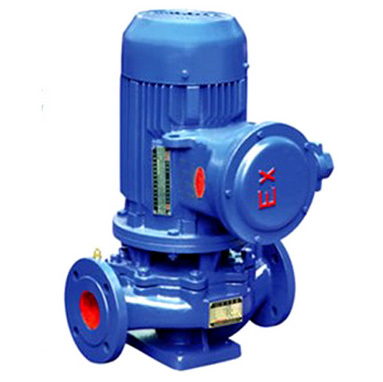
ISG pipeline pumps are vertical, single-suction pumps designed for handling clean water and other liquids with similar properties. They are widely used in industries such as agriculture, manufacturing, and municipal water systems due to their reliability and efficiency. Understanding the technical specifications and operational capabilities of ISG pumps is essential for effective installation and maintenance.
Key Features of ISG Pipeline Pumps
- High Efficiency: ISG pumps provide optimal hydraulic performance, reducing energy consumption.
- Versatile Applications: These pumps can handle various fluids in different industrial settings.
- Robust Design: Built to withstand harsh conditions, ISG pumps have a long service life.
Importance of Proper Installation
Proper installation of ISG pipeline pumps is crucial for ensuring operational efficiency and optimal performance. Incorrect installation can lead to a range of issues, including:
- Pump Failures: Misalignment or improper mounting can result in premature pump failure.
- Increased Energy Costs: Inefficient installations lead to higher energy consumption, affecting overall operational costs.
- Frequent Maintenance: Poorly installed pumps require more frequent maintenance, increasing downtime.
Pre-Installation Planning
Effective pre-installation planning is the foundation of a successful ISG pipeline pump installation. This phase includes assessing site conditions, determining pump specifications, and preparing necessary tools and materials.
Assessing Site Conditions
Before installation, conduct a thorough site assessment. Evaluate the following:
- Space Availability: Ensure there is adequate space for both the pump and the associated piping.
- Access and Safety: Plan for safe access to the installation site for personnel and equipment.
- Environmental Factors: Consider environmental conditions that may affect pump performance, such as temperature and humidity.
Determining Pump Specifications
Select the appropriate ISG pump model based on application needs, including:
- Flow Rate: Identify the required flow rate to ensure the pump meets operational demands.
- Head Requirements: Calculate the necessary head to overcome system resistance.
- Fluid Characteristics: Analyze the properties of the fluid being pumped, including viscosity and temperature.
Site Preparation for ISG Pumps
After planning, the next step is site preparation, which involves creating a suitable environment for the pump installation.
Creating a Level Foundation
A stable and level foundation is essential for the proper operation of ISG pipeline pumps. Follow these steps:
- Excavate the Area: Remove any debris or obstacles from the installation site.
- Pour Concrete or Install a Base: Ensure a solid base that can support the pump’s weight and operational vibrations.
- Check Alignment: Use a level to verify that the foundation is even before proceeding.
Setting Up Pipe Support Structures
Support structures must be installed to prevent excessive stress on the pump and piping systems:
- Install Pipe Supports: Use hangers and brackets to secure the pipeline in place.
- Maintain Proper Alignment: Ensure that pipes align correctly with the pump inlet and outlet.
Assembly Guidelines for ISG Pipeline Pumps
The assembly process is crucial for ensuring a seamless integration of the ISG pump into the pipeline system. Follow these best practices:
Careful Component Handling
During assembly, handle all components with care to avoid damage. This includes:
- Inspecting Components: Check for any signs of wear or damage before installation.
- Using Proper Tools: Utilize the correct tools to avoid stripping screws or damaging fittings.
Following Manufacturer Guidelines
Always refer to the manufacturer’s installation manual for specific assembly instructions. Key areas include:
- Sealing Connections: Use appropriate sealing materials to prevent leaks.
- Torque Specifications: Adhere to recommended torque settings for bolts and fittings.
Connecting Pipeline Systems
Once the pump is assembled, the next step involves connecting it to the pipeline system. Ensure the following:
Proper Pipe Connection Techniques
Utilize appropriate connection techniques for a leak-proof seal:
- Flanged Connections: Use gaskets and bolts to secure flanged joints.
- Threaded Connections: Apply Teflon tape to threaded joints to ensure a tight seal.
Establishing System Flow Direction
Ensure all components are installed with the correct flow direction in mind:
- Check Arrows: Most pumps have arrows indicating the fluid flow direction; ensure these are aligned.
- Test for Obstructions: Verify that there are no obstructions in the piping that could impede flow.
Testing and Commissioning
After installation, thorough testing is crucial to ensure the ISG pipeline pump operates as intended.
Conducting Pre-Operational Tests
Before putting the pump into operation, perform the following tests:
- Leak Tests: Check all connections for leaks using water or air pressure tests.
- Alignment Checks: Ensure that the pump and motor shafts are properly aligned.
Commissioning the Pump
Once tests are complete, proceed with commissioning the pump:
- Gradual Start-Up: Slowly initiate the pump to monitor its performance.
- Monitor Parameters: Observe pressure, flow rate, and temperature to ensure they meet specifications.
Maintenance Tips for Long-Term Success
Regular maintenance is essential for the longevity and reliability of ISG pipeline pumps. Implement these maintenance practices:
Routine Inspections
Conduct regular inspections to identify potential issues early:
- Check for Wear: Monitor components for signs of wear or damage.
- Inspect Seals: Ensure seals remain intact and leak-free.
Scheduled Maintenance Tasks
Establish a maintenance schedule that includes:
- Lubrication: Regularly lubricate moving parts as per manufacturer recommendations.
- Cleaning: Keep the pump and surrounding areas clean to prevent contamination.
Frequently Asked Questions
1. What is the typical lifespan of an ISG pipeline pump?
The lifespan of an ISG pipeline pump can vary but typically ranges from 10 to 15 years with proper maintenance.
2. How can I determine the right size of the ISG pump for my application?
Evaluate your flow rate and head requirements, and consult with the manufacturer’s sizing guidelines to select the appropriate pump size.
3. What are the signs of a malfunctioning pipeline pump?
Common signs include unusual noises, vibrations, decreased performance, and visible leaks.
4. Is it necessary to hire a professional for installation?
While it's possible to install the pump yourself, hiring a professional ensures adherence to best practices and reduces the risk of errors.
5. What type of maintenance is required for ISG pipeline pumps?
Regular inspections, lubrication, cleaning, and system checks are essential for maintaining ISG pipeline pumps.
Conclusion
The successful installation of ISG pipeline pumps hinges on meticulous planning, adherence to best practices, and regular maintenance. By understanding the intricacies of the installation process and following these best practices, you can significantly enhance the performance and lifespan of your pumping system. Emphasizing thorough preparation, proper assembly, and ongoing maintenance will ensure that your ISG pipeline pumps operate efficiently, contributing to the success of your industrial operations.

Contact Us
E-mail :
sales@yaquanpump.com
service@yaquanpump.com
Phone/WhatsApp:
+44 7301702546
+63 9452052801
Address:
Room B208, Building 2, North Hongqiao Songri Center, No.215 Gaochao Road, Jiading District, Shanghai

Whatsapp: +63 9452052801
Email: service@yaquanpump.com
Room B208, Building 2, North Hongqiao Songri Center, No.215 Gaochao Road, Jiading District, Shanghai


REQUEST QUOTE