To provide high-quality Pump for global customers.


Understanding the Components of the ISG Pipeline Pump: A Comprehensive Guide
Jun 30,2026
Understanding the Components of the ISG Pipeline Pump
Table of Contents
- Introduction to ISG Pipeline Pumps
- Key Features of ISG Pipeline Pumps
- Detailed Components of ISG Pipeline Pumps
- Operational Efficiency and Performance
- Applications of ISG Pipeline Pumps
- Maintenance and Care
- Common Issues and Troubleshooting
- Frequently Asked Questions
- Conclusion
Introduction to ISG Pipeline Pumps
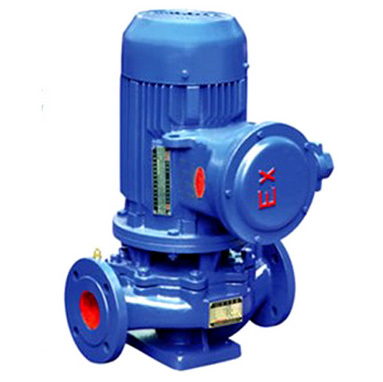
The **ISG Pipeline Pump** is a centrifugal pump designed specifically for transporting various liquids through pipelines. It stands out due to its **robust design and superior performance**, making it suitable for different industrial applications. Understanding its components is essential for ensuring optimal performance and longevity in various operational environments.
Key Features of ISG Pipeline Pumps
ISG Pipeline Pumps offer several features that enhance their usability across different sectors:
- **High Efficiency**: Designed to provide a high flow rate with minimal energy consumption.
- **Durability**: Constructed from high-quality materials that withstand harsh operating conditions.
- **Versatility**: Capable of handling a wide range of liquids, including corrosive and viscous fluids.
- **Compact Design**: Ideal for installation in tight spaces while maintaining high performance.
Detailed Components of ISG Pipeline Pumps
A thorough understanding of the components that make up the ISG Pipeline Pump is vital for effective operation and maintenance. Below are the key components:
Pump Housing
The **pump housing** is the outer shell that holds all internal components together. It is designed to withstand pressure and protect the pump's internal parts from external damage. The housing is typically made from materials like cast iron or stainless steel, ensuring durability and corrosion resistance.
Impeller
The **impeller** is a critical component that converts rotary motion into kinetic energy. When the impeller rotates, it creates a low-pressure zone that draws fluid into the pump and accelerates it towards the discharge. The design and material of the impeller play a significant role in the pump's efficiency and performance.
Shaft and Bearings
The **shaft** connects the motor to the impeller, transmitting rotational energy. Proper alignment and balance are crucial to minimize vibrations and wear. **Bearings** support the shaft and reduce friction, ensuring smooth operation. Both components must be carefully selected and maintained to ensure the pump's longevity.
Mechanical Seal
The **mechanical seal** prevents leakage of fluids from the pump casing. It is vital for maintaining operational efficiency and preventing environmental contamination. The seal must be compatible with the pumped fluid and should be inspected regularly to avoid unplanned downtime.
Volute Casing
The **volute casing** surrounds the impeller and helps convert the kinetic energy of the fluid into pressure energy. Its design aids in directing the flow towards the discharge pipe while minimizing turbulence. An optimally designed volute casing enhances the pump’s efficiency and performance.
Operational Efficiency and Performance
The efficiency of the ISG Pipeline Pump is influenced by several factors, including the design of its components, operating conditions, and maintenance practices. **Flow rate**, **head**, and **NPSH (Net Positive Suction Head)** are critical parameters that affect performance. Ensuring that each component operates within its designed limits is essential for achieving optimal efficiency.
Applications of ISG Pipeline Pumps
ISG Pipeline Pumps are utilized in a range of industries, thanks to their versatility and reliability. Some common applications include:
- **Water Supply Systems**: Used for transporting clean water in municipal and industrial applications.
- **Chemical Processing**: Ideal for handling various chemicals and corrosive materials.
- **HVAC Systems**: Employed in heating, ventilation, and air conditioning systems for circulating fluids.
- **Food and Beverage Industry**: Used for transferring liquids in food processing, ensuring hygiene and safety standards.
Maintenance and Care
Regular maintenance is crucial for ensuring the longevity and reliability of ISG Pipeline Pumps. Key maintenance tasks include:
- **Regular Inspections**: Check for wear and tear on components such as seals, bearings, and the impeller.
- **Lubrication**: Ensure that bearings are adequately lubricated to reduce friction and wear.
- **Cleaning**: Keep the pump and its surroundings clean to prevent contamination and blockages.
- **Performance Monitoring**: Regularly monitor the pump's performance metrics to identify any inefficiencies or anomalies.
Common Issues and Troubleshooting
Despite their robust design, ISG Pipeline Pumps may encounter issues that can affect performance. Common problems include:
- **Cavitation**: Caused by low pressure, resulting in damage to the impeller. Solutions include increasing the NPSH or reducing the flow rate.
- **Overheating**: Can occur due to insufficient lubrication or excessive load. Check for proper lubrication and adjust the load accordingly.
- **Vibration**: Often a sign of misalignment or imbalance. Regularly inspect the shaft and bearings for alignment and wear.
Frequently Asked Questions
1. What is the typical lifespan of an ISG Pipeline Pump?
The lifespan can vary depending on usage and maintenance practices but generally ranges from 10 to 20 years with proper care.
2. How do I select the right ISG Pipeline Pump for my application?
Consider factors such as flow rate, head requirements, fluid characteristics, and operating conditions to select the appropriate pump.
3. What maintenance is required for ISG Pipeline Pumps?
Regular inspections, lubrication, cleaning, and performance monitoring are essential maintenance tasks.
4. Can ISG Pipeline Pumps handle corrosive liquids?
Yes, ISG Pipeline Pumps can be designed with materials that resist corrosion, making them suitable for handling various chemicals.
5. How can I troubleshoot a noisy ISG Pipeline Pump?
Check for misalignment, wear in bearings, or cavitation issues. Addressing these factors can often resolve the noise problem.
Conclusion
Understanding the components of the **ISG Pipeline Pump** is critical for anyone involved in its operation and maintenance. By familiarizing yourself with its key parts and their functions, you can ensure optimal operational efficiency, extend the lifespan of the pump, and address any issues that may arise. Regular maintenance and a proactive approach to troubleshooting will further enhance performance and reliability, making the ISG Pipeline Pump a valuable asset in various industrial applications.
PREVIOUS:

Contact Us
E-mail :
sales@yaquanpump.com
service@yaquanpump.com
Phone/WhatsApp:
+44 7301702546
+63 9452052801
Address:
Room B208, Building 2, North Hongqiao Songri Center, No.215 Gaochao Road, Jiading District, Shanghai

Whatsapp: +63 9452052801
Email: service@yaquanpump.com
Room B208, Building 2, North Hongqiao Songri Center, No.215 Gaochao Road, Jiading District, Shanghai


REQUEST QUOTE