To provide high-quality Pump for global customers.


Optimizing Peristaltic Pumps for Abrasive Fluids: A Comprehensive Guide
Mar 30,2026
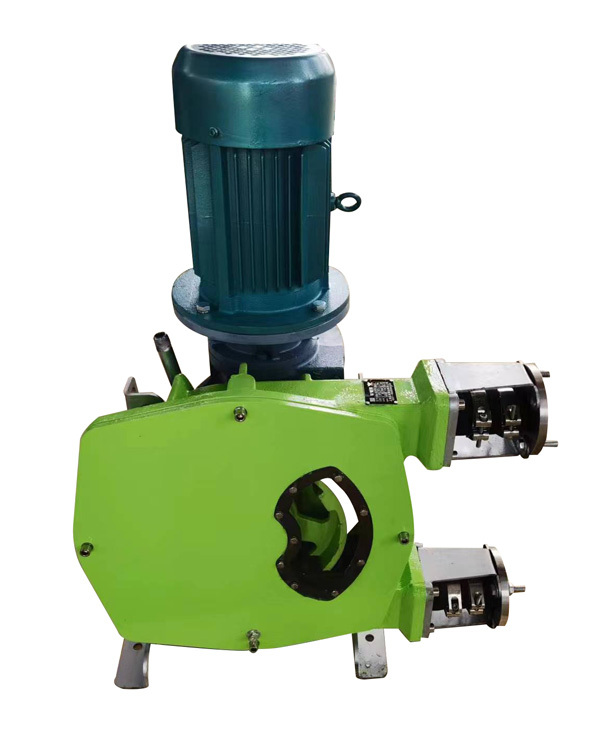
When dealing with abrasive fluids, selecting the right pump technology is vital. Peristaltic pumps are increasingly favored for these applications due to their unique operational mechanism. Unlike traditional pumps that rely on impellers or other moving parts that can wear out quickly when handling abrasive materials, peristaltic pumps utilize a flexible tube that is squeezed to create a pumping action. This design minimizes contact between the fluid and the pump's internal components, significantly reducing wear and prolonging pump life.
One of the primary advantages of peristaltic pumps for abrasive fluids is their ability to handle a wide range of viscosities and particle sizes. This flexibility allows them to effectively transport slurries, sludges, and other challenging fluids without compromising performance. Furthermore, the self-priming nature of these pumps ensures reliable operation, even in applications where the fluid may be at a lower level than the pump itself.
Material selection is another critical factor when configuring peristaltic pumps for abrasive fluids. The tubing must be constructed from durable materials resistant to wear and tear, such as reinforced rubber or specialized thermoplastics. These materials not only enhance the pump's longevity but also maintain its efficiency over time. It is also essential to consider the hardness and shape of the particles within the fluid, as these factors can significantly impact the wear rate of the tubing.
Another beneficial feature of peristaltic pumps is their ease of maintenance. Since the pump mechanics are external to the fluid path, replacing worn tubing is straightforward and does not require disassembly of the pump. This design minimizes downtime, allowing for quick repairs and continuous operation in demanding industrial environments.
Additionally, when selecting peristaltic pumps for abrasive fluids, professionals should consider factors such as flow rate, pressure requirements, and the specific characteristics of the fluid being pumped. Properly assessing these parameters will lead to the best performance and efficiency.
In conclusion, peristaltic pumps offer a robust solution for handling abrasive fluids in various industrial settings. Their unique design, material choices, and ease of maintenance make them an excellent choice for professionals seeking reliable and efficient fluid transfer solutions. By understanding the operational capabilities and limitations of these pumps, industry professionals can make informed decisions that enhance productivity and reduce operational costs in their workflows.
One of the primary advantages of peristaltic pumps for abrasive fluids is their ability to handle a wide range of viscosities and particle sizes. This flexibility allows them to effectively transport slurries, sludges, and other challenging fluids without compromising performance. Furthermore, the self-priming nature of these pumps ensures reliable operation, even in applications where the fluid may be at a lower level than the pump itself.
Material selection is another critical factor when configuring peristaltic pumps for abrasive fluids. The tubing must be constructed from durable materials resistant to wear and tear, such as reinforced rubber or specialized thermoplastics. These materials not only enhance the pump's longevity but also maintain its efficiency over time. It is also essential to consider the hardness and shape of the particles within the fluid, as these factors can significantly impact the wear rate of the tubing.
Another beneficial feature of peristaltic pumps is their ease of maintenance. Since the pump mechanics are external to the fluid path, replacing worn tubing is straightforward and does not require disassembly of the pump. This design minimizes downtime, allowing for quick repairs and continuous operation in demanding industrial environments.
Additionally, when selecting peristaltic pumps for abrasive fluids, professionals should consider factors such as flow rate, pressure requirements, and the specific characteristics of the fluid being pumped. Properly assessing these parameters will lead to the best performance and efficiency.
In conclusion, peristaltic pumps offer a robust solution for handling abrasive fluids in various industrial settings. Their unique design, material choices, and ease of maintenance make them an excellent choice for professionals seeking reliable and efficient fluid transfer solutions. By understanding the operational capabilities and limitations of these pumps, industry professionals can make informed decisions that enhance productivity and reduce operational costs in their workflows.

Contact Us
E-mail :
sales@yaquanpump.com
service@yaquanpump.com
Phone/WhatsApp:
+44 7301702546
+63 9452052801
Address:
Room B208, Building 2, North Hongqiao Songri Center, No.215 Gaochao Road, Jiading District, Shanghai

Whatsapp: +63 9452052801
Email: service@yaquanpump.com
Room B208, Building 2, North Hongqiao Songri Center, No.215 Gaochao Road, Jiading District, Shanghai


REQUEST QUOTE