To provide high-quality Pump for global customers.


Understanding the Mechanism of Rotary Lobe Pumps for Viscous Products
Apr 03,2026
Understanding the Mechanism of Rotary Lobe Pumps for Viscous Products
Table of Contents
- 1. Introduction to Rotary Lobe Pumps
- 2. The Working Mechanism of Rotary Lobe Pumps
- 3. Key Design Features of Rotary Lobe Pumps
- 4. Applications of Rotary Lobe Pumps in Various Industries
- 5. Advantages of Using Rotary Lobe Pumps for Viscous Products
- 6. Maintenance Best Practices for Rotary Lobe Pumps
- 7. Troubleshooting Common Issues with Rotary Lobe Pumps
- 8. Frequently Asked Questions (FAQs)
- 9. Conclusion
1. Introduction to Rotary Lobe Pumps
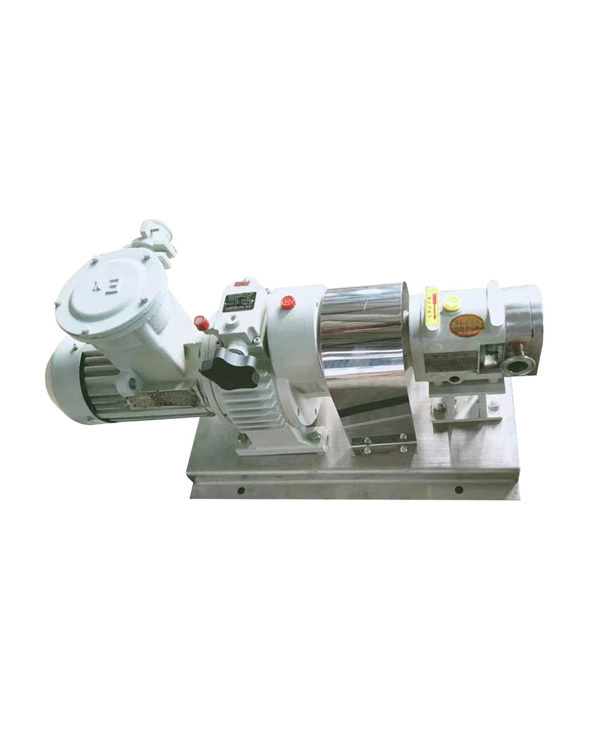
In the world of industrial equipment, **rotary lobe pumps** stand out as a preferred choice for transferring viscous products. These pumps utilize a unique mechanism that allows for efficient handling of a wide range of fluids, including sludges, pastes, and other high-viscosity substances. In this article, we will delve deep into the mechanism of rotary lobe pumps, exploring how they operate, their design features, applications, advantages, and maintenance protocols.
2. The Working Mechanism of Rotary Lobe Pumps
At the heart of the rotary lobe pump's operation is a pair of lobed rotors that rotate in a synchronized manner within a pumping chamber. As the **lobes** turn, they create varying volumes of space, which effectively draws fluid into the pump. This operation can be broken down into several stages:
2.1 Inlet Phase
During the inlet phase, the rotating lobes move apart, increasing the volume within the pumping chamber. This action generates a vacuum that draws the viscous product into the chamber through the inlet port.
2.2 Transfer Phase
As the lobes continue to rotate, the space created by the lobes decreases, effectively trapping the fluid between the lobes and the chamber walls. This **trapped fluid** is then carried toward the discharge port of the pump.
2.3 Discharge Phase
When the lobes reach their closest point, the volume of the pumping chamber decreases, forcing the fluid out through the discharge port. The continuous rotation of the lobes ensures a steady and consistent flow rate, making these pumps ideal for viscous applications.
3. Key Design Features of Rotary Lobe Pumps
The design of rotary lobe pumps is critical to their functionality and efficiency. Key features include:
3.1 Rotor Configuration
Rotors can come in various configurations, including **oval, lobular, and helical shapes**. The choice of rotor design significantly influences the pump's efficiency and the types of products it can handle.
3.2 Materials of Construction
Rotary lobe pumps are typically constructed from **high-grade materials** such as stainless steel, which offer durability and resistance to corrosion. The choice of material is essential for ensuring compatibility with the pumped fluid.
3.3 Sealing Mechanisms
Effective sealing is crucial in rotary lobe pumps to prevent leakage and contamination. Many pumps feature **mechanical seals** or **lip seals**, depending on the application and pressure requirements.
4. Applications of Rotary Lobe Pumps in Various Industries
Rotary lobe pumps are versatile and are used across multiple industries. Some key applications include:
4.1 Food and Beverage Industry
In the food industry, rotary lobe pumps are used for transferring thick sauces, syrups, and purees. Their gentle pumping action prevents shear thinning or damage to delicate products.
4.2 Chemical Processing
Chemicals often come in various viscosities, making rotary lobe pumps suitable for transferring adhesives, paints, and polymers without degrading the product quality.
4.4 Wastewater Treatment
In wastewater management, rotary lobe pumps efficiently handle **sludge and thick liquids**, ensuring effective treatment processes.
5. Advantages of Using Rotary Lobe Pumps for Viscous Products
Using rotary lobe pumps for viscous products comes with numerous advantages:
5.1 Consistent Flow Rate
One of the most significant benefits is the ability to maintain a **steady flow rate**, even with highly viscous materials. This consistency is vital for processes requiring precise dosing or mixing.
5.2 Self-Priming Capabilities
Rotary lobe pumps are **self-priming**, making them efficient for operations where the pump needs to be installed above the fluid source.
5.3 Low Shear Stress
These pumps exert low shear stress on the fluids being transferred, making them ideal for sensitive products that could be damaged by high shear forces.
5.4 Easy Maintenance
Maintenance of rotary lobe pumps is straightforward due to their modular design. This feature allows for easy access to internal components, minimizing downtime.
6. Maintenance Best Practices for Rotary Lobe Pumps
To ensure optimal performance of rotary lobe pumps, regular maintenance is crucial. Here are some best practices:
6.1 Regular Inspections
Conduct routine inspections to check for wear and tear on the rotors and seals. Early detection of issues can prevent costly repairs.
6.2 Lubrication
Ensure that lubrication systems are functioning correctly, as proper lubrication minimizes friction and wear on moving parts.
6.3 Cleaning
Regular cleaning of the pump is essential, especially in food and pharmaceutical applications, to prevent contamination and maintain hygiene standards.
6.4 Monitoring Performance
Keep track of performance metrics such as flow rate and pressure. Any deviations from normal operating levels can indicate underlying issues that require attention.
7. Troubleshooting Common Issues with Rotary Lobe Pumps
Despite their reliability, rotary lobe pumps can encounter issues that may hinder performance. Common problems include:
7.1 Loss of Pressure
If a rotary lobe pump experiences a loss of pressure, check for blockages in the suction line or worn seals that may need replacement.
7.2 Pulsation in Flow
Pulsation can occur if the pump is not properly sized for the application. Ensure that the pump is compatible with the viscosity and flow requirements of the fluid.
7.3 Excessive Noise
Unusual noises can be indicative of cavitation or mechanical wear. Investigate the source of the noise and address any mechanical issues promptly.
8. Frequently Asked Questions (FAQs)
8.1 What is a rotary lobe pump?
A rotary lobe pump is a positive displacement pump that utilizes two or more lobed rotors to move viscous fluids through a pumping chamber.
8.2 What types of products can rotary lobe pumps handle?
They can effectively handle a wide range of viscous products, including food products, chemicals, and slurries.
8.3 How do I maintain a rotary lobe pump?
Regular inspections, lubrication, cleaning, and monitoring performance are essential maintenance practices for rotary lobe pumps.
8.4 What are the advantages of using a rotary lobe pump over other pump types?
Rotary lobe pumps offer a consistent flow rate, low shear stress on fluids, self-priming capabilities, and ease of maintenance.
8.5 Can rotary lobe pumps be used in hazardous environments?
Yes, rotary lobe pumps can be designed for use in hazardous environments; however, appropriate materials and safety features must be considered.
9. Conclusion
Understanding the mechanism of rotary lobe pumps is essential for industries that rely on efficient fluid transfer, especially for viscous products. Their unique design, coupled with numerous advantages, makes them a reliable choice for various applications. By following proper maintenance protocols and troubleshooting techniques, users can ensure that their rotary lobe pumps continue to operate at peak performance, maximizing productivity and minimizing downtime. Whether in food processing, chemical manufacturing, or wastewater treatment, rotary lobe pumps deliver the versatility and reliability needed to handle diverse viscous products effectively.

Contact Us
E-mail :
sales@yaquanpump.com
service@yaquanpump.com
Phone/WhatsApp:
+44 7301702546
+63 9452052801
Address:
Room B208, Building 2, North Hongqiao Songri Center, No.215 Gaochao Road, Jiading District, Shanghai

Whatsapp: +63 9452052801
Email: service@yaquanpump.com
Room B208, Building 2, North Hongqiao Songri Center, No.215 Gaochao Road, Jiading District, Shanghai


REQUEST QUOTE