To provide high-quality Pump for global customers.


Understanding Rotary Lobe Pumps for Wastewater Sludge Management
Apr 07,2026
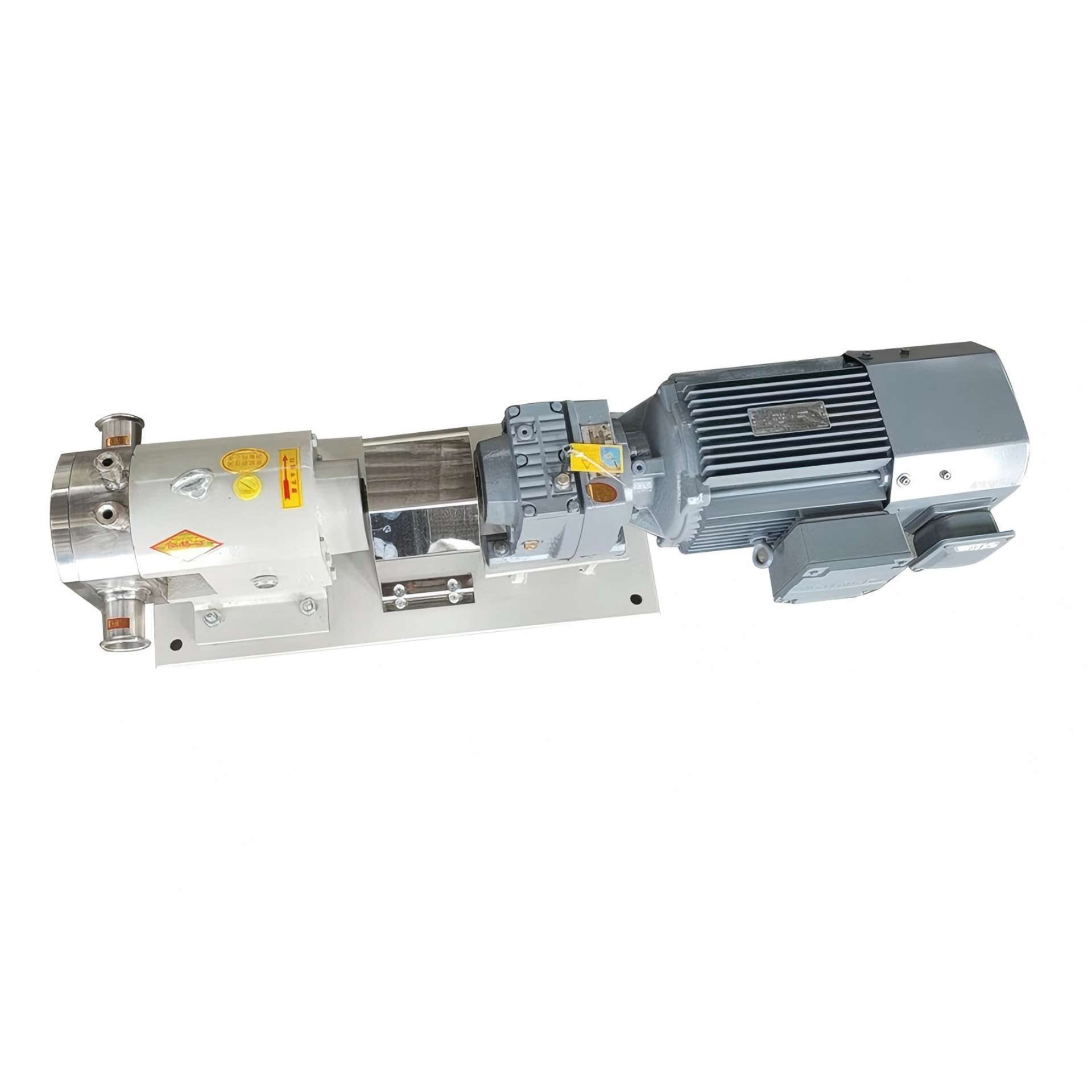
Rotary lobe pumps are a vital component in the wastewater treatment industry, particularly when it comes to managing sludge. These pumps are designed to efficiently handle thick and viscous materials, which makes them an excellent choice for transporting wastewater sludge. Sludge, a byproduct of the wastewater treatment process, can be challenging to manage due to its high solids content and varying viscosity. This is where rotary lobe pumps shine.
The operational principle of a rotary lobe pump involves two or more lobes rotating in a synchronized manner within a chamber. As the lobes move, they create a series of pockets that trap and transport the sludge from one point to another. One of the key advantages of rotary lobe pumps is their gentle handling of the materials they transport. This is particularly important for sludge, which often contains fragile biological organisms. The design of these pumps minimizes shear forces, thereby preserving the integrity of the sludge and ensuring that its quality is maintained throughout the pumping process.
Another significant benefit of rotary lobe pumps is their versatility. They can handle a wide range of sludge types, including primary sludge, secondary sludge, and even industrial sludge with varying consistency and chemical composition. Their ability to maintain a consistent flow rate under varying pressures makes them suitable for different applications within wastewater treatment plants.
Maintenance of rotary lobe pumps is relatively straightforward, which is an essential factor in industrial settings where downtime can be costly. Regular maintenance practices, such as checking the lobes for wear and ensuring the pump casing is free of debris, can help prolong the life of the pump and maintain optimal performance. Additionally, the materials used in constructing rotary lobe pumps are often resistant to corrosion and abrasion, further enhancing their durability in harsh environments.
When selecting a rotary lobe pump for wastewater sludge management, it is crucial to consider factors such as flow rate requirements, the viscosity of the sludge, and the specific application needs. Proper sizing and selection can lead to improved efficiency and lower operational costs.
In conclusion, rotary lobe pumps play a crucial role in the effective management of wastewater sludge. Their unique design and operational advantages make them a preferred choice for many industrial applications. By understanding the mechanics and benefits of these pumps, facilities can enhance their sludge handling processes, ultimately leading to better wastewater treatment outcomes. Whether you're tackling primary or secondary sludge, rotary lobe pumps offer a reliable solution for efficient sludge management.
The operational principle of a rotary lobe pump involves two or more lobes rotating in a synchronized manner within a chamber. As the lobes move, they create a series of pockets that trap and transport the sludge from one point to another. One of the key advantages of rotary lobe pumps is their gentle handling of the materials they transport. This is particularly important for sludge, which often contains fragile biological organisms. The design of these pumps minimizes shear forces, thereby preserving the integrity of the sludge and ensuring that its quality is maintained throughout the pumping process.
Another significant benefit of rotary lobe pumps is their versatility. They can handle a wide range of sludge types, including primary sludge, secondary sludge, and even industrial sludge with varying consistency and chemical composition. Their ability to maintain a consistent flow rate under varying pressures makes them suitable for different applications within wastewater treatment plants.
Maintenance of rotary lobe pumps is relatively straightforward, which is an essential factor in industrial settings where downtime can be costly. Regular maintenance practices, such as checking the lobes for wear and ensuring the pump casing is free of debris, can help prolong the life of the pump and maintain optimal performance. Additionally, the materials used in constructing rotary lobe pumps are often resistant to corrosion and abrasion, further enhancing their durability in harsh environments.
When selecting a rotary lobe pump for wastewater sludge management, it is crucial to consider factors such as flow rate requirements, the viscosity of the sludge, and the specific application needs. Proper sizing and selection can lead to improved efficiency and lower operational costs.
In conclusion, rotary lobe pumps play a crucial role in the effective management of wastewater sludge. Their unique design and operational advantages make them a preferred choice for many industrial applications. By understanding the mechanics and benefits of these pumps, facilities can enhance their sludge handling processes, ultimately leading to better wastewater treatment outcomes. Whether you're tackling primary or secondary sludge, rotary lobe pumps offer a reliable solution for efficient sludge management.

Contact Us
E-mail :
sales@yaquanpump.com
service@yaquanpump.com
Phone/WhatsApp:
+44 7301702546
+63 9452052801
Address:
Room B208, Building 2, North Hongqiao Songri Center, No.215 Gaochao Road, Jiading District, Shanghai

Whatsapp: +63 9452052801
Email: service@yaquanpump.com
Room B208, Building 2, North Hongqiao Songri Center, No.215 Gaochao Road, Jiading District, Shanghai


REQUEST QUOTE