To provide high-quality Pump for global customers.


A Comprehensive Guide to Maintenance for CH and CHY Series Gear Pumps
Apr 27,2026
A Comprehensive Guide to Maintenance for CH and CHY Series Gear Pumps
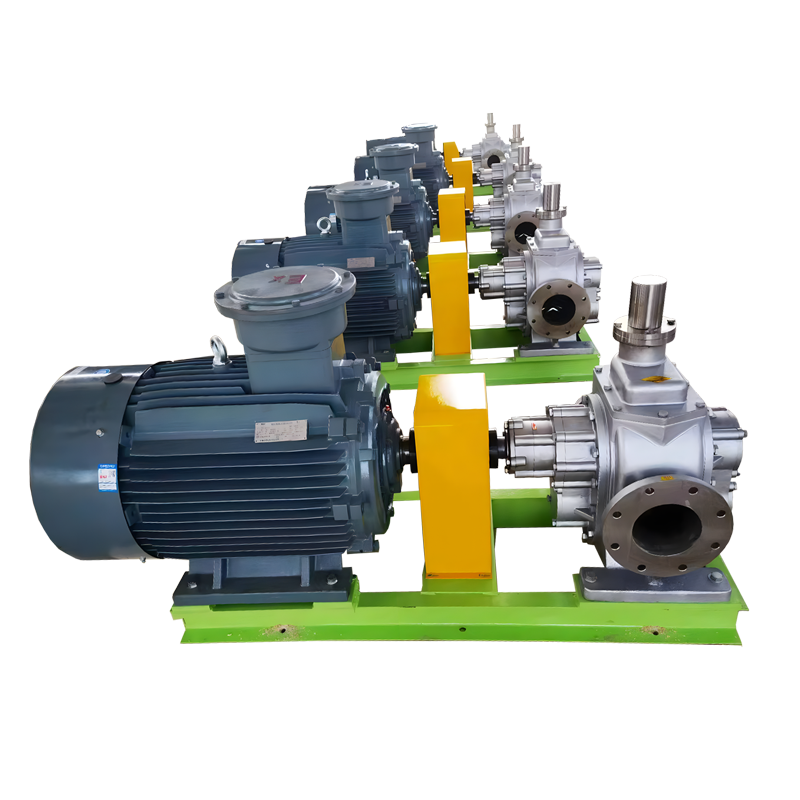
In the realm of industrial equipment, the efficiency and reliability of pumps are paramount. The CH and CHY series gear pumps are particularly renowned for their robust design and exceptional performance in transferring fluids. To maintain their efficiency and longevity, a thorough understanding of maintenance practices is essential. This guide serves as a comprehensive resource for all users and technicians dealing with CH and CHY series gear pumps.
Table of Contents
- 1. Understanding Gear Pumps
- 2. Importance of Regular Maintenance
- 3. Recommended Maintenance Schedule
- 4. Pre-Maintenance Procedures
- 5. Step-by-Step Maintenance Process
- 5.1 Cleaning the Pump
- 5.2 Inspecting Components
- 5.3 Lubrication Techniques
- 5.4 Replacing Worn Components
- 6. Troubleshooting Common Issues
- 7. Best Practices for Long-Term Care
- 8. Frequently Asked Questions
1. Understanding Gear Pumps
Gear pumps are positive displacement pumps that move fluids by the action of gears. The CH and CHY series are specifically designed for high efficiency and durability. These pumps are capable of handling various types of fluids, including corrosive and viscous liquids, making them suitable for a wide array of industrial applications.
The primary components of gear pumps include the housing, gears, bearings, and seals. Understanding the function of each component is crucial for effective maintenance. The gears rotate within the pump housing, creating a vacuum that draws fluid in and subsequently pushes it out through the discharge port. Ensuring that each component is operating correctly is essential for overall pump performance.
2. Importance of Regular Maintenance
Regular maintenance is vital for several reasons. Firstly, it prevents unexpected breakdowns, which can result in costly downtime. Secondly, consistent upkeep enhances the pump's efficiency, leading to lower operational costs. Finally, proper maintenance extends the lifespan of the pump, ensuring a better return on investment.
Failure to engage in routine maintenance can result in serious issues such as decreased performance, increased energy consumption, and potential catastrophic failures. Understanding the importance of maintenance lays the groundwork for effective pump management.
3. Recommended Maintenance Schedule
Developing a maintenance schedule based on the specific operating conditions of your CH and CHY series gear pumps is essential. It is advisable to conduct a thorough inspection and maintenance every 500 operating hours or at least once every three months, whichever comes first. However, this frequency may need adjustment based on the fluid characteristics, operating environment, and pump usage.
4. Pre-Maintenance Procedures
Before beginning maintenance on gear pumps, it is crucial to follow certain pre-maintenance procedures to ensure safety and effectiveness:
- Power Down: Ensure that the pump is completely powered down and isolated from the electrical supply.
- Drain the Fluid: Safely drain any fluid remaining in the pump to prevent spillage and ensure a clean working environment.
- Gather Necessary Tools: Assemble all required tools and replacement parts before starting the maintenance process.
5. Step-by-Step Maintenance Process
Engaging in a systematic maintenance process will help ensure that all crucial areas of the pump are addressed. Here’s a detailed breakdown of the maintenance steps:
5.1 Cleaning the Pump
Begin by cleaning the exterior of the pump with a suitable solvent to remove any accumulated dirt or grease. For the interior, use a soft cloth or brush to clean the gears and housing. Ensure no debris is left that could interfere with optimal performance. Proper cleaning methods can prevent wear and tear and help maintain the integrity of the pump.
5.2 Inspecting Components
After cleaning, thoroughly inspect each component of the pump for signs of wear or damage. Pay close attention to the gears, bearings, and seals. Look for:
- Cracks or chips in the gears
- Excessive wear on bearings
- Signs of leakage around seals
Document any findings for record-keeping and further action.
5.3 Lubrication Techniques
Proper lubrication is vital for ensuring smooth operation of the gears. Use the manufacturer-recommended lubricant and apply it to the bearings and gears as per the specifications. Ensure that there is no excess lubricant, which can attract dirt and debris.
5.4 Replacing Worn Components
If any components show signs of significant wear or damage, replace them immediately. Using OEM (Original Equipment Manufacturer) parts will ensure compatibility and reliability. Follow any specific guidelines from the manufacturer regarding the installation and replacement of parts.
6. Troubleshooting Common Issues
Even with regular maintenance, issues may still arise. Here are some common problems and their potential solutions:
- Low Flow Rate: This could indicate clogged filters or worn gears. Inspect and clean or replace as necessary.
- Excessive Noise: Unusual noises can signal bearing failure or insufficient lubrication. Check lubrication levels and bearings for wear.
- Overheating: Overheating may result from excessive load or insufficient fluid. Ensure the pump is not overloaded and that correct fluid levels are maintained.
7. Best Practices for Long-Term Care
To maximize the longevity and efficiency of your CH and CHY series gear pumps, consider the following best practices:
- Adhere to the recommended maintenance schedule and document all maintenance activities.
- Train personnel on proper operating procedures to enhance awareness about potential issues.
- Utilize condition monitoring tools to track pump performance over time.
- Regularly review and update your maintenance protocols based on operational data.
8. Frequently Asked Questions
What types of fluids can be used with CH and CHY series gear pumps?
The CH and CHY series gear pumps are designed to handle a variety of fluids, including viscous, corrosive, and non-corrosive liquids.
How often should I lubricate my gear pump?
Lubrication should be performed according to the manufacturer's recommendations, typically every 500 operating hours, or more frequently depending on the fluid used and operational conditions.
What are the signs of a failing gear pump?
Common signs include unusual noises, reduced flow rate, overheating, and visible leaks. Regular inspections will help identify these issues early.
Can I perform maintenance on my gear pump myself?
Yes, with proper training and the right tools, maintenance can be performed in-house. However, complex repairs may require professional expertise.
What should I do if my gear pump leaks?
Assess the source of the leak immediately. If it is a seal failure, replace the seals. If the leak persists, consult a professional for further diagnosis.
Conclusion
Maintaining CH and CHY series gear pumps is essential for ensuring their longevity and reliability in industrial applications. By following a structured maintenance schedule, performing regular inspections, and adhering to best practices, operators can significantly reduce the risk of failures and operational downtime. Understanding the intricate details of maintenance processes, from cleaning to troubleshooting, equips technicians with the knowledge needed to keep these vital components running smoothly. Proactive maintenance not only enhances performance but also results in considerable cost savings, making it an indispensable part of pump management.

Contact Us
E-mail :
sales@yaquanpump.com
service@yaquanpump.com
Phone/WhatsApp:
+44 7301702546
+63 9452052801
Address:
Room B208, Building 2, North Hongqiao Songri Center, No.215 Gaochao Road, Jiading District, Shanghai

Whatsapp: +63 9452052801
Email: service@yaquanpump.com
Room B208, Building 2, North Hongqiao Songri Center, No.215 Gaochao Road, Jiading District, Shanghai


REQUEST QUOTE