To provide high-quality Pump for global customers.


Overcoming Challenges in Syrup Production with Rotary Lobe Pumps: A Comprehensive Guide
Sep 10,2026
Introduction: The Importance of Efficient Syrup Production
Syrup production is a vital process in various industries, including food and beverage, pharmaceuticals, and cosmetics. The need for high-quality syrup is paramount, whether for sweetening beverages or adding flavor to products. However, the syrup manufacturing process is fraught with challenges that can affect quality, consistency, and efficiency. In this article, we delve into the common obstacles faced in syrup production and how **rotary lobe pumps** can effectively address these issues, enhancing overall productivity.
Understanding the Syrup Manufacturing Process
Before we explore the challenges in syrup production, it is essential to understand the **syrup manufacturing process**. Typically, syrup is produced by dissolving sugar in water and then concentrating the solution through evaporation. Various ingredients may be added for flavoring or preservation. This process requires precise control over temperature, viscosity, and flow rates to achieve consistent quality.
Key Stages of Syrup Production
1. **Ingredient Preparation**: Selecting and preparing raw materials, including sweeteners, flavors, and preservatives.
2. **Mixing**: Combining ingredients to form a homogeneous mixture.
3. **Heating and Concentration**: Applying heat to dissolve sugars and concentrate the syrup.
4. **Cooling**: Reducing the temperature to prevent crystallization and preserve flavor.
5. **Packaging**: Filling containers with the finished syrup for distribution.
Common Challenges in Syrup Production
Despite advancements in technology and processes, syrup production continues to face several challenges that can hinder efficiency and product quality.
1. Managing Viscosity Variations
Syrup viscosity can fluctuate significantly during production due to temperature changes, ingredient variations, or process inconsistencies. Maintaining a uniform viscosity is critical, as it affects flow rates, mixing efficiency, and final product quality.
Impact of Viscosity on Production
Viscosity influences how well ingredients blend and how smoothly syrup flows through the production line. High viscosity can lead to pump cavitation and inefficient mixing, while low viscosity may cause separation of components.
2. Pumping Challenges with High-Solid Concentrations
Syrup often contains suspended solids, such as fruit pulp or flavor particles. Traditional pumps may struggle to handle these materials, leading to blockages and inconsistent flow rates.
Effects of Solid Concentrations on Equipment
High-solid concentrations can wear down pump components rapidly and require frequent maintenance, thus increasing operational costs and downtime.
3. Maintaining Hygiene and Sanitation Standards
In syrup production, maintaining hygiene is critical to prevent contamination and spoilage. Equipment must be easy to clean and sanitize without compromising production efficiency.
4. Temperature Control
Temperature variations can lead to crystallization or degradation of flavor compounds during syrup production. Effective temperature control is essential to ensure a stable process.
5. Ensuring Consistent Quality
Consistency in flavor, color, and sweetness is vital for consumer satisfaction. Variations in ingredient quality or production processes can lead to batch inconsistencies.
How Rotary Lobe Pumps Address Syrup Production Challenges
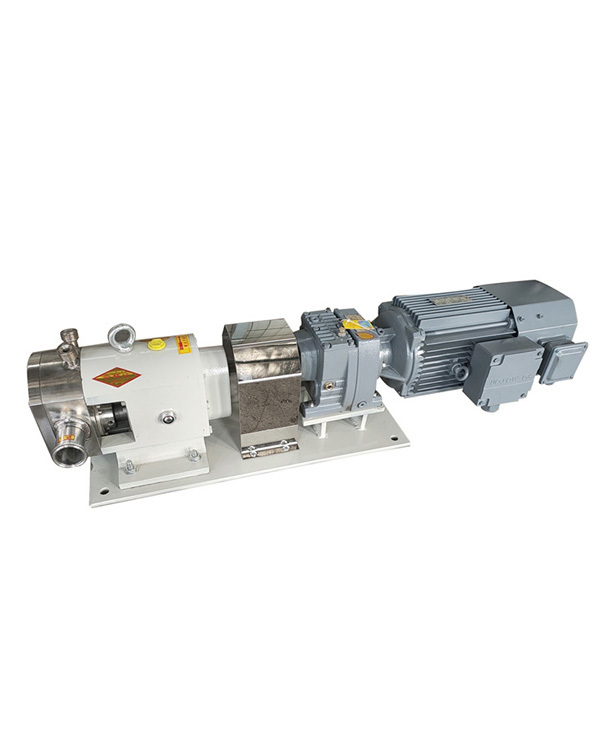
Rotary lobe pumps have become increasingly popular in syrup production due to their unique design and capabilities. These pumps offer several advantages that help mitigate the challenges discussed above.
1. Excellent Viscosity Management
Rotary lobe pumps are designed to handle varying viscosities with ease. Their positive displacement mechanism ensures a steady flow rate, maintaining consistent pressure regardless of the syrup's viscosity.
Benefits of Steady Flow Rates
A steady flow rate allows for better control of the mixing process, leading to a more uniform syrup. This consistency is vital for achieving the desired product specifications and quality.
2. Handling High-Solid Concentrations Effectively
One of the standout features of rotary lobe pumps is their ability to handle high-solid concentrations without clogging. The pump's design minimizes wear and tear on components while accommodating larger particles.
Advantages in High-Solid Applications
By efficiently managing high-solid concentrations, rotary lobe pumps reduce the need for maintenance and downtime, ultimately leading to cost savings and increased productivity.
3. Hygiene and Easy Cleaning
Rotary lobe pumps are designed for **easy disassembly and cleaning**, making them an ideal choice for syrup production facilities that prioritize hygiene. Many models are constructed from sanitary materials that meet industry standards.
Importance of Hygiene in Production
Maintaining strict hygiene standards is essential in syrup production to prevent contamination and ensure product safety. The ability to clean equipment quickly and effectively is a critical advantage.
4. Precise Temperature Control
These pumps can operate efficiently across a wide range of temperatures, making them suitable for both heating and cooling processes involved in syrup production. This capability helps avoid flavor degradation and ensures product stability.
5. Consistent Quality Assurance
With rotary lobe pumps, manufacturers can ensure that the syrup production process remains consistent, leading to uniform quality in terms of flavor, sweetness, and viscosity. This consistency helps build brand trust and consumer loyalty.
Best Practices for Implementing Rotary Lobe Pumps in Syrup Production
To fully leverage the advantages of rotary lobe pumps, syrup manufacturers should follow certain best practices.
1. Selecting the Right Pump Size
Choosing the correct pump size based on the production capacity and viscosity of the syrup is crucial. Under-sizing or over-sizing pumps can lead to inefficiency and increased wear.
2. Regular Maintenance and Monitoring
Routine maintenance and monitoring of pump performance are essential for ensuring optimal operation and longevity. Implementing a preventive maintenance schedule can help identify issues before they lead to costly downtime.
3. Training Staff on Equipment Use
Investing in training for staff on the proper operation and maintenance of rotary lobe pumps can enhance efficiency and safety. Well-trained personnel are better equipped to handle challenges that may arise during production.
4. Integrating Automation Technology
Incorporating automation systems can optimize syrup production processes, allowing for real-time monitoring of viscosity, temperature, and flow rates. Automation can enhance the overall efficiency of rotary lobe pumps.
5. Seeking Expert Consultation
Collaborating with industry experts can provide valuable insights into selecting and implementing the right pumping solutions for syrup production. Expert advice can help manufacturers make informed decisions tailored to their specific needs.
Conclusion: Transforming Syrup Production with Rotary Lobe Pumps
In conclusion, the challenges in syrup production are significant, but rotary lobe pumps offer effective solutions to enhance efficiency and maintain product quality. From managing viscosity variations to ensuring hygiene, these pumps stand out as a reliable choice for manufacturers. By implementing best practices and leveraging the advantages of rotary lobe pumps, syrup producers can navigate the complexities of the production process, resulting in higher quality products and increased consumer satisfaction. Embracing these innovations will not only streamline operations but also position businesses for success in a competitive market.
FAQs About Syrup Production and Rotary Lobe Pumps
1. What are rotary lobe pumps, and how do they work?
Rotary lobe pumps are positive displacement pumps that use rotating lobes to move fluids. The lobes create a fixed volume that is transferred to the discharge side as they rotate, making them ideal for handling viscous fluids.
2. What types of syrup can rotary lobe pumps be used for?
Rotary lobe pumps are versatile and can be used for a wide range of syrups, including fruit syrups, flavored syrups, and high-viscosity formulations.
3. How do rotary lobe pumps compare to other types of pumps in syrup production?
Compared to centrifugal pumps, rotary lobe pumps provide better handling of viscous fluids and suspended solids, making them more suitable for syrup production.
4. Are rotary lobe pumps easy to maintain?
Yes, rotary lobe pumps are designed for easy disassembly and cleaning. Regular maintenance is essential to ensure optimal performance and longevity.
5. Can rotary lobe pumps help reduce production costs?
By improving efficiency, reducing downtime, and minimizing maintenance needs, rotary lobe pumps can contribute to lower production costs in syrup manufacturing.
PREVIOUS:

Contact Us
E-mail :
sales@yaquanpump.com
service@yaquanpump.com
Phone/WhatsApp:
+44 7301702546
+63 9452052801
Address:
Room B208, Building 2, North Hongqiao Songri Center, No.215 Gaochao Road, Jiading District, Shanghai

Whatsapp: +63 9452052801
Email: service@yaquanpump.com
Room B208, Building 2, North Hongqiao Songri Center, No.215 Gaochao Road, Jiading District, Shanghai


REQUEST QUOTE