To provide high-quality Pump for global customers.


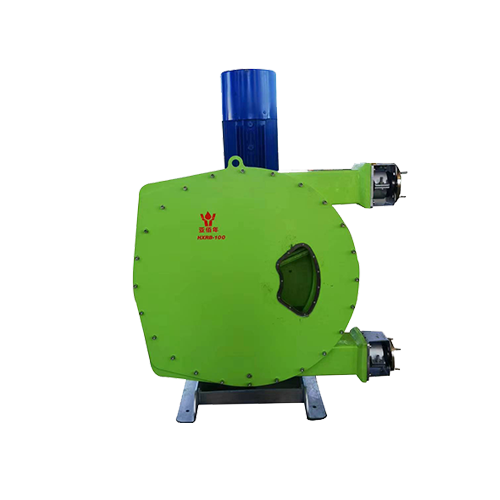
A Deep Dive into Rubber Lobe Pumps: Transforming Wastewater Treatment
Nov 22,2025
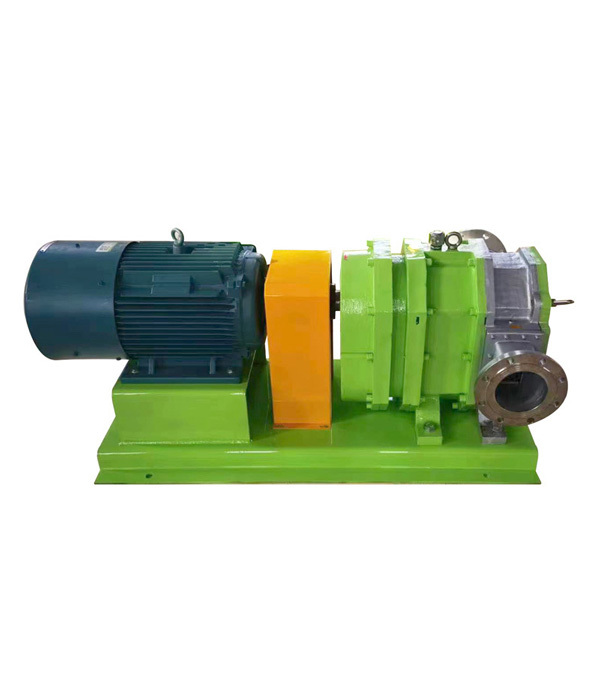
A Comprehensive Exploration of Rubber Lobe Pumps in Wastewater Treatment
In the realm of industrial equipment and components, particularly in the wastewater treatment sector, **rubber lobe pumps** have emerged as a transformative technology. Their unique design and operational efficiencies make them a go-to solution for various applications. This article aims to present an in-depth analysis of rubber lobe pumps, emphasizing their pivotal role in revolutionizing wastewater treatment processes.
Table of Contents
- Introduction to Rubber Lobe Pumps
- What Are Rubber Lobe Pumps?
- How Rubber Lobe Pumps Work
- Advantages of Rubber Lobe Pumps in Wastewater Treatment
- Applications of Rubber Lobe Pumps in Wastewater Treatment
- Maintenance and Reliability of Rubber Lobe Pumps
- Environmental Impact of Rubber Lobe Pumps
- The Future of Rubber Lobe Pumps in Wastewater Management
- Frequently Asked Questions
- Conclusion
Introduction to Rubber Lobe Pumps
As industries increasingly focus on **sustainable practices**, the need for efficient wastewater treatment solutions continues to grow. Rubber lobe pumps have surfaced as an effective answer to this challenge. These pumps are designed specifically to handle a variety of fluids, including slurries and viscous liquids, making them ideal for the complex demands of wastewater treatment facilities.
What Are Rubber Lobe Pumps?
Rubber lobe pumps are positive displacement pumps characterized by their flexible lobes made from high-quality rubber materials. The flexibility of these lobes allows them to create a sealing action, effectively moving fluids without causing shear damage to sensitive components within the liquid. This unique design makes them suitable for handling abrasive and non-abrasive materials alike.
Key Components of Rubber Lobe Pumps
The essential components of rubber lobe pumps include:
- Lobes: The primary moving elements that create the pumping action.
- Housing: The outer casing that contains the lobes and directs the flow of liquid.
- Drive Mechanism: Typically a motor equipped with gears, which powers the lobes.
- Inlet and Outlet Ports: Where the liquid enters and exits the pump.
How Rubber Lobe Pumps Work
The operation of rubber lobe pumps is relatively straightforward yet highly efficient. When the lobes rotate, they create a void that draws fluid into the pump through the inlet port. As the lobes continue to turn, they trap and transport the fluid to the outlet port, where it is expelled with consistent pressure. This positive displacement mechanism ensures a steady flow rate, crucial for applications in wastewater treatment where pressure stability is essential.
Operational Efficiency and Flow Rate
One of the standout features of rubber lobe pumps is their ability to maintain a consistent flow rate, regardless of the fluid's viscosity or abrasive properties. This makes them exceptionally versatile for different wastewater treatment scenarios, whether dealing with thick sludge or more fluid waste.
Advantages of Rubber Lobe Pumps in Wastewater Treatment
Rubber lobe pumps offer numerous advantages, particularly suited for the challenges faced in wastewater treatment:
1. **Gentle Handling of Fluids**
The flexibility of rubber lobes minimizes shear, making them ideal for handling delicate materials, including biodegradable waste and microorganisms vital for effective treatment.
2. **Durability and Longevity**
Constructed from robust rubber compounds, these pumps exhibit excellent wear resistance. Their lifespan often surpasses that of traditional pumps, resulting in lower replacement costs and reduced downtime.
3. **Versatile Applications**
From municipal wastewater treatment plants to industrial applications, rubber lobe pumps can handle a wide range of fluids. Their versatility enables facilities to streamline operations while optimizing performance.
4. **Energy Efficiency**
These pumps consume less energy compared to other pump types, offering operational savings over time. This energy efficiency aligns with global sustainability goals by reducing the carbon footprint of wastewater treatment processes.
Applications of Rubber Lobe Pumps in Wastewater Treatment
Rubber lobe pumps find utility in various stages of wastewater treatment, including:
1. **Primary Treatment**
During primary treatment, rubber lobe pumps efficiently transport raw sewage into screening processes, ensuring effective separation of solids from liquids.
2. **Aeration Systems**
These pumps play a crucial role in aeration systems by delivering activated sludge to aeration basins, promoting the growth of microorganisms that break down contaminants.
3. **Sludge Transfer**
In the final stages, rubber lobe pumps are employed to move thick sludge from clarifiers to dewatering units, ensuring efficient processing and waste reduction.
Maintenance and Reliability of Rubber Lobe Pumps
Ensuring the longevity and reliability of rubber lobe pumps requires regular maintenance protocols. Key maintenance practices include:
1. **Regular Inspections**
Periodic inspections help identify wear and tear before it becomes a critical issue, enabling timely replacements and repairs.
2. **Lubrication**
Proper lubrication of moving parts reduces friction and enhances efficiency, contributing to the pump's overall durability.
3. **Monitoring Performance**
Utilizing performance monitoring technologies can help gauge the pump's efficiency and alert operators to potential issues before they escalate.
Environmental Impact of Rubber Lobe Pumps
Rubber lobe pumps contribute positively to environmental sustainability. Their energy efficiency reduces greenhouse gas emissions, while their ability to handle waste effectively minimizes the potential for pollution. Additionally, by improving the reliability of wastewater treatment processes, these pumps help ensure that treated water meets environmental regulations before being discharged back into ecosystems.
The Future of Rubber Lobe Pumps in Wastewater Management
As technology continues to advance, the future of rubber lobe pumps looks promising. Innovations in materials, design, and control systems will enhance their capabilities further. Additionally, the increasing focus on sustainable practices in wastewater management will likely promote the adoption of these pumps, leading to more efficient and environmentally friendly treatment processes.
Frequently Asked Questions
1. What makes rubber lobe pumps ideal for wastewater treatment?
Rubber lobe pumps handle a wide range of fluids and maintain a consistent flow rate, making them particularly effective for the varying conditions present in wastewater treatment.
2. How do rubber lobe pumps compare to other types of pumps?
Compared to traditional centrifugal or diaphragm pumps, rubber lobe pumps offer superior fluid handling capabilities, energy efficiency, and durability.
3. What is the maintenance frequency for rubber lobe pumps?
Maintenance should be conducted regularly, with inspections and lubrications scheduled based on the pump's usage and operational conditions.
4. Are rubber lobe pumps environmentally friendly?
Yes, their energy efficiency and ability to effectively process wastewater reduce overall environmental impact, promoting sustainable practices.
5. Can rubber lobe pumps handle abrasive materials?
Absolutely! The robust rubber construction allows these pumps to handle both abrasive and non-abrasive materials effectively.
Conclusion
Rubber lobe pumps are redefining the standards of wastewater treatment by combining efficiency, versatility, and environmental responsibility. Their unique design and operational advantages make them a preferred choice in modern facilities looking to optimize their processes. As we move towards a more sustainable future, the role of rubber lobe pumps will undoubtedly grow, leading to enhanced wastewater management practices that benefit both industries and ecosystems. Adopting this technology not only improves operational efficiency but also paves the way for a cleaner, more sustainable world.

Contact Us
E-mail :
sales@yaquanpump.com
service@yaquanpump.com
Phone/WhatsApp:
+44 7301702546
+63 9452052801
Address:
Room B208, Building 2, North Hongqiao Songri Center, No.215 Gaochao Road, Jiading District, Shanghai

Whatsapp: +63 9452052801
Email: service@yaquanpump.com
Room B208, Building 2, North Hongqiao Songri Center, No.215 Gaochao Road, Jiading District, Shanghai


REQUEST QUOTE