To provide high-quality Pump for global customers.


Comparing Rubber Lobe Pumps to Other Types for Wastewater Treatment: A Comprehensive Guide
Jun 14,2026
Comparing Rubber Lobe Pumps to Other Types for Wastewater Treatment
Table of Contents
- 1. Introduction to Wastewater Treatment Pumps
- 2. The Importance of Choosing the Right Pump
- 3. Understanding Different Types of Pumps
- 4. Comparing Rubber Lobe Pumps to Other Pumps
- 5. Applications of Rubber Lobe Pumps in Wastewater Treatment
- 6. Advantages of Using Rubber Lobe Pumps
- 7. Challenges and Considerations
- 8. Conclusion
- 9. Frequently Asked Questions
1. Introduction to Wastewater Treatment Pumps
In the realm of wastewater treatment, pumps play a vital role in moving, managing, and processing wastewater effectively. Selecting the right type of pump can significantly impact the efficiency, reliability, and cost-effectiveness of wastewater operations. As we explore the various types of pumps available, our focus will be on rubber lobe pumps and how they measure up against other popular options.
2. The Importance of Choosing the Right Pump
Selecting the correct pump for wastewater treatment is pivotal for several reasons:
- **Operational Efficiency**: An appropriate pump maximizes flow rates and reduces operational costs.
- **Durability and Reliability**: Pumps that can withstand harsh conditions lead to fewer breakdowns and maintenance issues.
- **Cost-Effectiveness**: The right pump contributes to lower energy consumption and maintenance expenses.
Understanding the nuances of different pump types is essential for making an informed decision that aligns with your specific operational needs.
3. Understanding Different Types of Pumps
To appreciate the advantages of rubber lobe pumps, it is crucial to understand the various types of pumps commonly used in wastewater treatment.
3.1 What are Rubber Lobe Pumps?
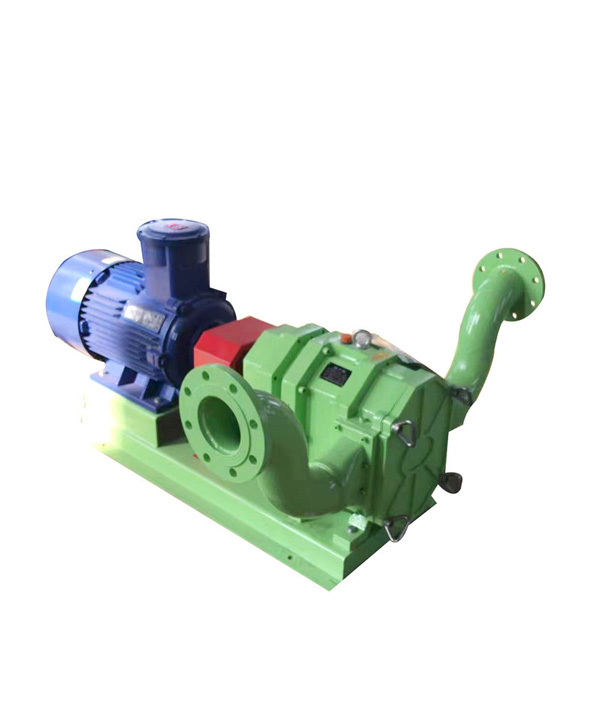
Rubber lobe pumps, characterized by their positive displacement design, utilize lobes that rotate to create a vacuum, drawing wastewater into the pump chamber. These lobes can be made from various materials, although rubber is preferred for its flexibility and resistance to wear. Key features include:
- **Gentle Handling of Solids**: Rubber lobe pumps are known for their ability to handle solids without damaging them, making them suitable for wastewater that may contain large particles.
- **Versatile Applications**: They can handle a wide range of fluids, including thick sludges and abrasive materials.
3.2 Centrifugal Pumps
Centrifugal pumps are the most common type in the wastewater industry. They operate using a rotating impeller that flings water outward, creating a pressure difference that moves the fluid. While efficient for clean water, they may struggle with viscous fluids or solids common in wastewater.
3.3 Progressive Cavity Pumps
Progressive cavity pumps employ a helical rotor inside a stator to move fluids. They are ideal for viscous liquids and sludges but can be more expensive and complex to maintain than rubber lobe pumps.
4. Comparing Rubber Lobe Pumps to Other Pumps
When evaluating the effectiveness of rubber lobe pumps, several comparison metrics come into play.
4.1 Performance Metrics
Rubber lobe pumps excel in performance when handling varying flow rates and pressures. They maintain consistent output, irrespective of the viscosity of the fluid, making them a reliable choice for fluctuating wastewater conditions.
In contrast, centrifugal pumps may experience a drop in performance with increased viscosity, while progressive cavity pumps are often limited by the rotational speed needed to efficiently move the fluid.
4.2 Energy Efficiency
Energy costs are a significant consideration in wastewater treatment. Rubber lobe pumps typically operate at lower energy levels compared to centrifugal pumps, especially when dealing with thick or viscous fluids. This energy efficiency translates into reduced operational costs over time.
4.3 Maintenance Requirements
Rubber lobe pumps are designed for ease of maintenance. The ability to replace lobes without disassembling the entire pump reduces both downtime and maintenance costs. In contrast, centrifugal pumps often require significant maintenance, especially when handling solids, as clogging can occur.
5. Applications of Rubber Lobe Pumps in Wastewater Treatment
Rubber lobe pumps find their niche in various applications within wastewater treatment, including:
- **Sludge Transfer**: They are particularly effective in transferring sludge from one location to another, ensuring minimal shear and damage to solid particles.
- **Chemical Addition**: Rubber lobe pumps are often used for precise chemical dosing in wastewater treatment processes, providing accurate flow rates.
- **Recycle Water**: These pumps are suitable for recycling treated water back into the system, thanks to their ability to handle a range of fluid types.
6. Advantages of Using Rubber Lobe Pumps
Rubber lobe pumps offer several benefits that make them a preferred choice in wastewater applications:
- **Durability**: The rubber lobes provide resistance against wear and corrosive substances found in wastewater.
- **Low Shear**: Their design minimizes shear forces, reducing the risk of damaging delicate solids and biological agents.
- **Flexible Handling**: They can handle multiple types of fluids, including those with solids, slurries, and viscous materials.
- **Cost-Effectiveness**: With lower energy consumption and reduced maintenance needs, rubber lobe pumps can significantly cut overall operational costs.
7. Challenges and Considerations
While rubber lobe pumps have many advantages, several challenges should be considered:
- **Initial Investment**: The upfront cost of rubber lobe pumps may be higher compared to simpler centrifugal options.
- **Temperature Sensitivity**: The rubber material may not perform well in high-temperature applications, necessitating careful consideration of the operating environment.
Careful evaluation of these factors can help ensure that you select the most appropriate pump for your wastewater treatment needs.
8. Conclusion
In the quest for optimal wastewater treatment, rubber lobe pumps stand out for their unique benefits in handling diverse fluid types while maintaining operational efficiency and cost-effectiveness. When compared to traditional pump types like centrifugal and progressive cavity pumps, rubber lobe pumps demonstrate superior performance in various applications, particularly in sludge transfer and chemical dosing.
Investing in rubber lobe pumps means investing in durability, reliability, and operational savings. As wastewater treatment demands continue to evolve, these pumps will play an increasingly vital role in maintaining effective and efficient systems.
9. Frequently Asked Questions
1. What are the main advantages of rubber lobe pumps in wastewater treatment?
Rubber lobe pumps offer durability, low shear handling of solids, flexibility in fluid types, and lower operational costs due to their energy efficiency and reduced maintenance requirements.
2. How do rubber lobe pumps compare to centrifugal pumps?
Rubber lobe pumps excel in handling viscous fluids and solids, where centrifugal pumps may struggle. They also require less maintenance and generally consume less energy.
3. Can rubber lobe pumps handle abrasive materials?
Yes, rubber lobe pumps are specifically designed to handle abrasive materials without compromising their integrity, making them suitable for challenging wastewater applications.
4. What are some common applications for rubber lobe pumps?
Common applications include sludge transfer, chemical dosing in treatment processes, and recycling treated water.
5. Are there any limitations to using rubber lobe pumps?
The initial investment cost can be higher than other pump types, and they may not perform well in high-temperature environments. Proper evaluation of operational conditions is essential.
By understanding the benefits and challenges of rubber lobe pumps versus other pump types, wastewater treatment facilities can make more informed decisions that enhance their operations and improve overall efficiency.

Contact Us
E-mail :
sales@yaquanpump.com
service@yaquanpump.com
Phone/WhatsApp:
+44 7301702546
+63 9452052801
Address:
Room B208, Building 2, North Hongqiao Songri Center, No.215 Gaochao Road, Jiading District, Shanghai

Whatsapp: +63 9452052801
Email: service@yaquanpump.com
Room B208, Building 2, North Hongqiao Songri Center, No.215 Gaochao Road, Jiading District, Shanghai


REQUEST QUOTE