To provide high-quality Pump for global customers.


Maximizing Efficiency: Understanding Peristaltic Pumps for Abrasive Fluids
Jun 18,2026
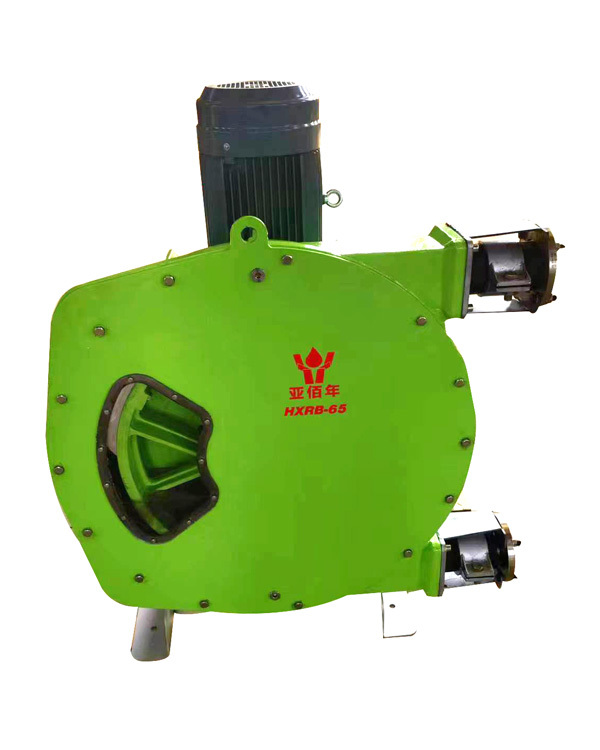
Peristaltic pumps have emerged as a preferred solution for transferring abrasive fluids in various industrial applications. Unlike traditional pumps, which rely on impellers or centrifugal force, peristaltic pumps operate through the compression and release of flexible tubing. This unique mechanism offers several advantages, particularly when dealing with fluids containing solid particles or abrasive materials.
One of the primary benefits of peristaltic pumps is their ability to handle challenging fluids without compromising performance. The design minimizes contact between the fluid and the pump components, which significantly reduces wear and tear. As a result, these pumps can maintain their efficiency over time, even in applications involving harsh abrasives that would quickly damage conventional pumps.
Another noteworthy feature of peristaltic pumps is their self-priming capability. This is especially beneficial when dealing with thick or viscous fluids. The pump's design allows it to create a vacuum, pulling the fluid into the tubing and ensuring a consistent flow rate. This characteristic is crucial for industries such as mining, wastewater treatment, and chemical processing, where fluid properties can vary dramatically.
Maintenance is another critical consideration in the selection of pumping systems. Peristaltic pumps are relatively easy to maintain, as the primary wear component is the tubing itself. Replacing the tubing is a straightforward process, which minimizes downtime and maintenance costs. Moreover, since the fluid only contacts the tubing, cleaning and sanitization are simplified, making these pumps suitable for applications that require stringent hygiene standards, such as food and pharmaceuticals.
When selecting a peristaltic pump for abrasive fluids, it is essential to consider the material of the tubing. Options range from rubber to various types of plastics, each offering different levels of abrasion resistance and chemical compatibility. The choice of material can significantly affect the pump's lifespan and performance, thus requiring careful assessment based on the specific application.
In conclusion, peristaltic pumps present a robust solution for handling abrasive fluids in industrial settings. Their unique operational principles, coupled with ease of maintenance and adaptability, make them a suitable choice for professionals seeking reliable and efficient pumping systems. Understanding these advantages can empower decision-makers to select the optimal pumping solution tailored to their operational needs, ultimately enhancing productivity and reducing costs.
One of the primary benefits of peristaltic pumps is their ability to handle challenging fluids without compromising performance. The design minimizes contact between the fluid and the pump components, which significantly reduces wear and tear. As a result, these pumps can maintain their efficiency over time, even in applications involving harsh abrasives that would quickly damage conventional pumps.
Another noteworthy feature of peristaltic pumps is their self-priming capability. This is especially beneficial when dealing with thick or viscous fluids. The pump's design allows it to create a vacuum, pulling the fluid into the tubing and ensuring a consistent flow rate. This characteristic is crucial for industries such as mining, wastewater treatment, and chemical processing, where fluid properties can vary dramatically.
Maintenance is another critical consideration in the selection of pumping systems. Peristaltic pumps are relatively easy to maintain, as the primary wear component is the tubing itself. Replacing the tubing is a straightforward process, which minimizes downtime and maintenance costs. Moreover, since the fluid only contacts the tubing, cleaning and sanitization are simplified, making these pumps suitable for applications that require stringent hygiene standards, such as food and pharmaceuticals.
When selecting a peristaltic pump for abrasive fluids, it is essential to consider the material of the tubing. Options range from rubber to various types of plastics, each offering different levels of abrasion resistance and chemical compatibility. The choice of material can significantly affect the pump's lifespan and performance, thus requiring careful assessment based on the specific application.
In conclusion, peristaltic pumps present a robust solution for handling abrasive fluids in industrial settings. Their unique operational principles, coupled with ease of maintenance and adaptability, make them a suitable choice for professionals seeking reliable and efficient pumping systems. Understanding these advantages can empower decision-makers to select the optimal pumping solution tailored to their operational needs, ultimately enhancing productivity and reducing costs.
PREVIOUS:

Contact Us
E-mail :
sales@yaquanpump.com
service@yaquanpump.com
Phone/WhatsApp:
+44 7301702546
+63 9452052801
Address:
Room B208, Building 2, North Hongqiao Songri Center, No.215 Gaochao Road, Jiading District, Shanghai

Whatsapp: +63 9452052801
Email: service@yaquanpump.com
Room B208, Building 2, North Hongqiao Songri Center, No.215 Gaochao Road, Jiading District, Shanghai


REQUEST QUOTE