To provide high-quality Pump for global customers.


The Environmental Impact of Rubber Lobe Pumps in Wastewater Management
Jul 24,2026
The Environmental Impact of Rubber Lobe Pumps in Wastewater Management
Introduction to Wastewater Management
The management of wastewater is a crucial aspect of modern environmental conservation efforts. As urbanization and industrial activities increase, so does the generation of wastewater. Effective treatment and management of wastewater are essential to protect public health and the environment. Among the various technologies employed, **rubber lobe pumps** have emerged as a vital component in wastewater systems due to their efficiency and reliability.
Understanding Rubber Lobe Pumps
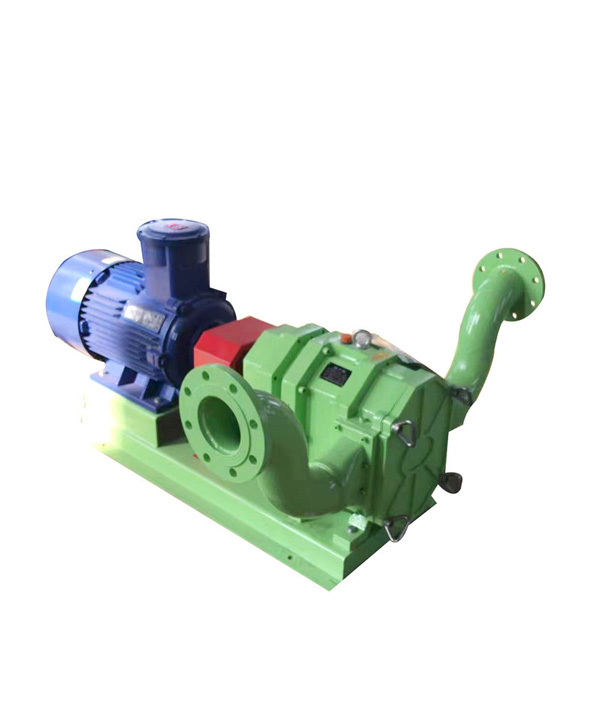
Rubber lobe pumps are positive displacement pumps that utilize flexible lobes made from rubber or elastomer materials. These pumps operate using two or more lobes that rotate in sync, creating a vacuum that draws fluid into the pump chamber and subsequently expels it. This design enhances their capability to handle viscous fluids, making them particularly suitable for wastewater applications.
The Working Principle of Rubber Lobe Pumps
The operation of rubber lobe pumps is straightforward yet effective. As the lobes rotate, they expand and contract, generating a continuous flow of liquid. The unique design allows for minimal pulsation, which is crucial when transferring sensitive materials often found in wastewater. The ability of these pumps to handle solids and sludge without damage makes them indispensable in wastewater management systems.
Environmental Benefits of Rubber Lobe Pumps
The use of rubber lobe pumps in wastewater management offers several **environmental advantages**:
1. Energy Efficiency
Rubber lobe pumps are designed for low-energy consumption. Their efficient operation translates into reduced electricity usage, leading to lower greenhouse gas emissions. As facilities strive for more sustainable practices, these pumps help in diminishing the carbon footprint associated with wastewater treatment.
2. Reduced Chemical Usage
In many wastewater treatment processes, the use of chemicals is a necessity for coagulation and disinfection. Rubber lobe pumps effectively transport materials without the need for excessive chemical application. This reduced reliance on chemicals minimizes the environmental impact caused by chemical runoff and enhances the overall quality of treated water.
3. Minimization of Wastewater Contamination
The dependable performance of rubber lobe pumps minimizes the risk of leaks and spills during transportation. Their robust construction ensures that they can handle abrasive materials without degrading, thus preventing contamination of surrounding soil and water bodies. This reliability is crucial in maintaining clean ecosystems and protecting local wildlife.
4. Versatile Applications
Rubber lobe pumps are versatile and can handle a variety of wastewater compositions. From municipal sewage to industrial effluents, these pumps adapt to different conditions, ensuring efficient transport and treatment of wastewater. This adaptability contributes to more effective wastewater management strategies across various industries.
Case Studies: Rubber Lobe Pumps in Action
Several facilities have adopted rubber lobe pumps, noting significant improvements in their wastewater management processes. For example, a municipal wastewater treatment plant in California reported a 20% reduction in energy consumption after integrating rubber lobe pumps into their system. Similarly, an industrial facility in Texas observed a decrease in chemical usage by 15%, directly correlating with the implementation of these pumps.
Challenges and Considerations
Despite their numerous benefits, the use of rubber lobe pumps is not without challenges. Understanding these challenges is crucial for optimizing their performance in wastewater management.
Maintenance Requirements
While rubber lobe pumps are generally reliable, regular maintenance is essential to ensure their longevity and efficiency. Operators must monitor the condition of the rubber lobes, as wear and tear can affect performance. Establishing a routine maintenance schedule can mitigate potential issues and prolong the lifespan of the equipment.
Initial Cost Implications
The initial investment for rubber lobe pumps may be higher compared to traditional pumps. However, the long-term savings in energy consumption and reduced chemical usage often outweigh the upfront costs. Facilities must evaluate their budgets and consider the overall return on investment when selecting wastewater management technologies.
Future Trends in Wastewater Management
As technology advances, the future of wastewater management is poised for innovation. Rubber lobe pumps will likely continue to play a significant role in these developments. With increasing regulations surrounding environmental protection and sustainability, the demand for efficient and eco-friendly pumping solutions will grow.
Integration with Smart Technology
The integration of smart technology into wastewater management systems is becoming more prevalent. Rubber lobe pumps can be equipped with sensors and monitoring systems that provide real-time data on performance and operational efficiency. This data-driven approach allows for proactive maintenance and optimization, further enhancing environmental benefits.
Emphasis on Sustainability
The global focus on sustainability will drive further research and development of environmentally friendly pumping solutions. Rubber lobe pumps, with their low energy consumption and reduced chemical usage, align with these sustainability goals, making them a preferred choice in future wastewater management strategies.
Conclusion
Rubber lobe pumps have established themselves as a crucial component in wastewater management, offering significant environmental benefits through energy efficiency, reduced chemical usage, and minimized contamination risks. As we move towards a more sustainable future, the role of these pumps will only continue to grow. By investing in reliable and efficient technologies like rubber lobe pumps, facilities can enhance their wastewater management processes while contributing positively to environmental conservation.
FAQs
1. What are rubber lobe pumps, and how do they work?
Rubber lobe pumps are positive displacement pumps that use flexible rubber lobes to create a vacuum that draws in and expels fluids. Their design minimizes pulsation and allows for efficient handling of various wastewater types.
2. What are the environmental benefits of using rubber lobe pumps?
Rubber lobe pumps provide energy efficiency, reduced chemical usage, minimized contamination risks, and versatility in handling different wastewater compositions, contributing to more sustainable wastewater management.
3. Are there any maintenance requirements for rubber lobe pumps?
Yes, regular maintenance is essential to ensure optimal performance. Operators should monitor the condition of the rubber lobes and establish a routine maintenance schedule to mitigate potential issues.
4. How do rubber lobe pumps compare to traditional pumps in terms of cost?
While the initial costs for rubber lobe pumps may be higher, their long-term savings in energy consumption and reduced chemical usage often justify the investment, leading to better overall returns.
5. What future trends are expected in wastewater management with rubber lobe pumps?
Future trends include the integration of smart technology for real-time monitoring and an increased emphasis on sustainability, making rubber lobe pumps a key player in innovative wastewater management solutions.
PREVIOUS:

Contact Us
E-mail :
sales@yaquanpump.com
service@yaquanpump.com
Phone/WhatsApp:
+44 7301702546
+63 9452052801
Address:
Room B208, Building 2, North Hongqiao Songri Center, No.215 Gaochao Road, Jiading District, Shanghai

Whatsapp: +63 9452052801
Email: service@yaquanpump.com
Room B208, Building 2, North Hongqiao Songri Center, No.215 Gaochao Road, Jiading District, Shanghai


REQUEST QUOTE