To provide high-quality Pump for global customers.


Choosing the Right Peristaltic Pump for Abrasive Fluids: Key Insights for Industrial Applications
Jul 28,2026
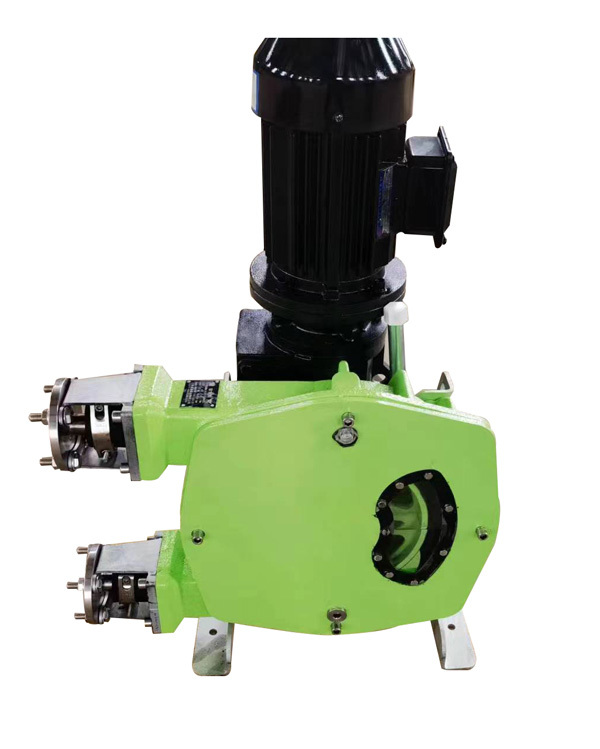
When it comes to industrial applications, selecting the right peristaltic pump for abrasive fluids is vital. Peristaltic pumps operate by compressing and releasing a flexible tube, which allows for the precise movement of fluids, making them ideal for various industrial processes involving abrasive materials. Understanding the unique challenges posed by abrasive fluids is essential for ensuring efficient pumping and minimizing wear and tear on equipment.
One of the primary considerations when choosing a peristaltic pump for abrasive fluids is the material of the pump components. The tubing and pump casing must be constructed from durable materials that can withstand the erosive qualities of abrasive substances. Commonly used materials include silicone, polyurethane, and specially formulated thermoplastics, which offer varying degrees of resistance to wear. Additionally, selecting a pump with easily replaceable tubing can significantly reduce downtime and maintenance costs.
Another critical factor is the pump's flow rate and pressure capabilities. The viscosity and density of the abrasive fluid will directly influence the pump's performance. It's essential to evaluate the specific requirements of your application to ensure that the pump can handle the expected flow rates without compromising efficiency. Consulting the manufacturer's specifications can provide insight into the pump's capabilities under varying operating conditions.
Moreover, it's important to consider the pump's design features that may enhance its performance with abrasive fluids. Look for pumps equipped with self-priming capabilities, as they can easily handle air and fluid mixtures, ensuring consistent operation even in challenging conditions. Additionally, some peristaltic pumps come with advanced technology, such as variable speed drives, which can optimize the flow rate according to the specific characteristics of the abrasive fluid being pumped.
Maintaining your peristaltic pump is also crucial for its longevity and performance. Regular inspections and proactive maintenance, such as checking for signs of wear on the tubing and ensuring proper alignment, can help avert more significant issues down the line. Implementing a routine maintenance schedule tailored to your operational demands can significantly extend the life of your pump.
In conclusion, choosing the right peristaltic pump for abrasive fluids involves a careful assessment of materials, performance capabilities, and maintenance practices. By prioritizing these factors, you can enhance the efficiency and reliability of your pumping systems, ultimately leading to better operational outcomes in your industrial applications. The right peristaltic pump not only ensures smooth fluid transfer but also safeguards your investment against the challenges posed by abrasive materials.
One of the primary considerations when choosing a peristaltic pump for abrasive fluids is the material of the pump components. The tubing and pump casing must be constructed from durable materials that can withstand the erosive qualities of abrasive substances. Commonly used materials include silicone, polyurethane, and specially formulated thermoplastics, which offer varying degrees of resistance to wear. Additionally, selecting a pump with easily replaceable tubing can significantly reduce downtime and maintenance costs.
Another critical factor is the pump's flow rate and pressure capabilities. The viscosity and density of the abrasive fluid will directly influence the pump's performance. It's essential to evaluate the specific requirements of your application to ensure that the pump can handle the expected flow rates without compromising efficiency. Consulting the manufacturer's specifications can provide insight into the pump's capabilities under varying operating conditions.
Moreover, it's important to consider the pump's design features that may enhance its performance with abrasive fluids. Look for pumps equipped with self-priming capabilities, as they can easily handle air and fluid mixtures, ensuring consistent operation even in challenging conditions. Additionally, some peristaltic pumps come with advanced technology, such as variable speed drives, which can optimize the flow rate according to the specific characteristics of the abrasive fluid being pumped.
Maintaining your peristaltic pump is also crucial for its longevity and performance. Regular inspections and proactive maintenance, such as checking for signs of wear on the tubing and ensuring proper alignment, can help avert more significant issues down the line. Implementing a routine maintenance schedule tailored to your operational demands can significantly extend the life of your pump.
In conclusion, choosing the right peristaltic pump for abrasive fluids involves a careful assessment of materials, performance capabilities, and maintenance practices. By prioritizing these factors, you can enhance the efficiency and reliability of your pumping systems, ultimately leading to better operational outcomes in your industrial applications. The right peristaltic pump not only ensures smooth fluid transfer but also safeguards your investment against the challenges posed by abrasive materials.
PREVIOUS:

Contact Us
E-mail :
sales@yaquanpump.com
service@yaquanpump.com
Phone/WhatsApp:
+44 7301702546
+63 9452052801
Address:
Room B208, Building 2, North Hongqiao Songri Center, No.215 Gaochao Road, Jiading District, Shanghai

Whatsapp: +63 9452052801
Email: service@yaquanpump.com
Room B208, Building 2, North Hongqiao Songri Center, No.215 Gaochao Road, Jiading District, Shanghai


REQUEST QUOTE