To provide high-quality Pump for global customers.


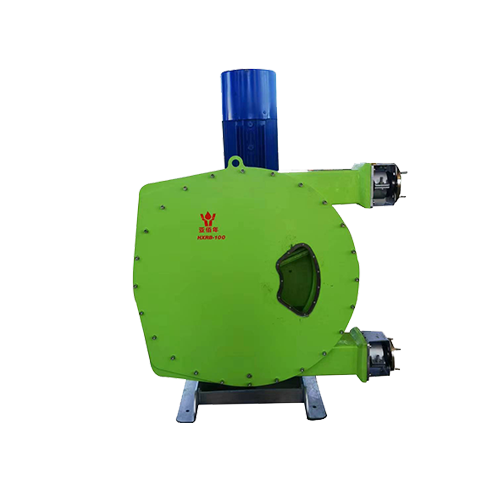
Understanding Peristaltic Pumps for Abrasive Fluids: A Comprehensive Guide
Oct 16,2026
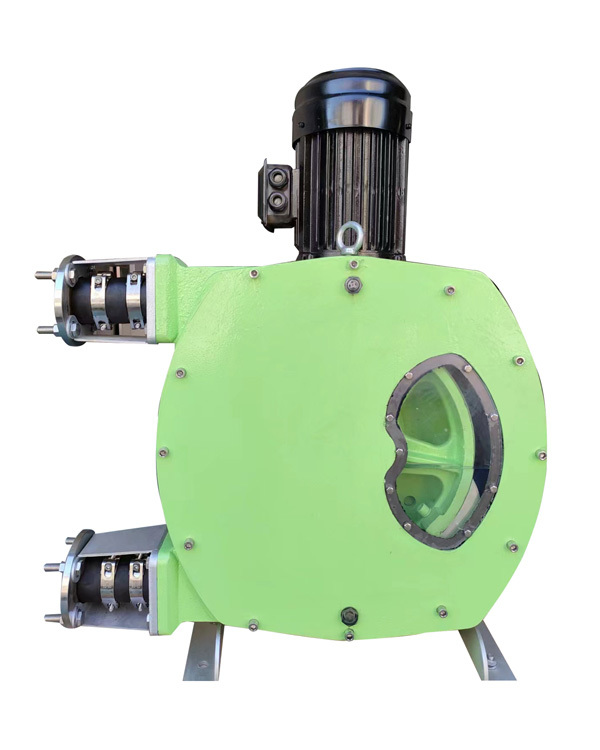
Peristaltic pumps have gained significant popularity in various industries due to their unique pumping mechanism and adaptability to different fluid types. Specifically, their ability to handle abrasive fluids makes them a valuable asset in sectors requiring efficient and effective fluid transfer. Understanding the operational principles and advantages of peristaltic pumps can help professionals in the industrial equipment field make informed decisions when selecting pumping solutions for challenging applications.
At the core of a peristaltic pump’s design is its simple yet effective mechanism. The pump consists of a flexible tube housed within a casing, which is compressed by rotating rollers or shoes. As these rollers move along the tube, they create a vacuum that draws fluid into the pump and subsequently pushes it forward with each rotation. This design minimizes contact between the pump’s moving parts and the fluid, thereby reducing wear and tear. For abrasive fluids, which can contain solid particles and cause significant damage to traditional pumps, this attribute is particularly advantageous.
One key benefit of peristaltic pumps is their ability to handle shear-sensitive and viscous fluids without compromising their integrity. This is essential when dealing with abrasive materials that may require gentle handling to maintain their properties. Additionally, the design of peristaltic pumps allows for easy maintenance, as the tubing can be replaced without the need to disassemble the entire pump. This feature not only saves time but also reduces downtime during maintenance operations.
Furthermore, peristaltic pumps are capable of operating dry without damaging the pump, which is a crucial consideration when handling abrasive fluids that may contain varying levels of solids. This characteristic allows for greater operational flexibility, as the pump can be used for different applications without risk of failure. Additionally, the ability to self-prime makes peristaltic pumps ideal for applications where fluid levels may fluctuate.
When selecting a peristaltic pump for abrasive fluids, several factors must be considered. These include the material of the tubing, which should be chosen based on the specific fluid characteristics and the level of abrasion expected. Common tubing materials include silicone, PVC, and various rubber compounds, each offering different levels of resistance to abrasion and chemicals. Moreover, the pump’s flow rate and pressure ratings should align with the requirements of the intended application to ensure efficient operation.
In conclusion, peristaltic pumps represent a reliable and efficient solution for transferring abrasive fluids in industrial settings. Their unique design, coupled with the ease of maintenance and operational flexibility, makes them a preferred choice for professionals looking to mitigate the challenges associated with abrasive materials. Understanding these aspects can help in making educated decisions and optimizing fluid handling operations.

Contact Us
E-mail :
sales@yaquanpump.com
service@yaquanpump.com
Phone/WhatsApp:
+44 7301702546
+63 9452052801
Address:
Room B208, Building 2, North Hongqiao Songri Center, No.215 Gaochao Road, Jiading District, Shanghai

Whatsapp: +63 9452052801
Email: service@yaquanpump.com
Room B208, Building 2, North Hongqiao Songri Center, No.215 Gaochao Road, Jiading District, Shanghai


REQUEST QUOTE